Tag: home

  • Top Tips for Fast and Reliable Air Conditioning Repair

    Top Tips for Fast and Reliable Air Conditioning Repair

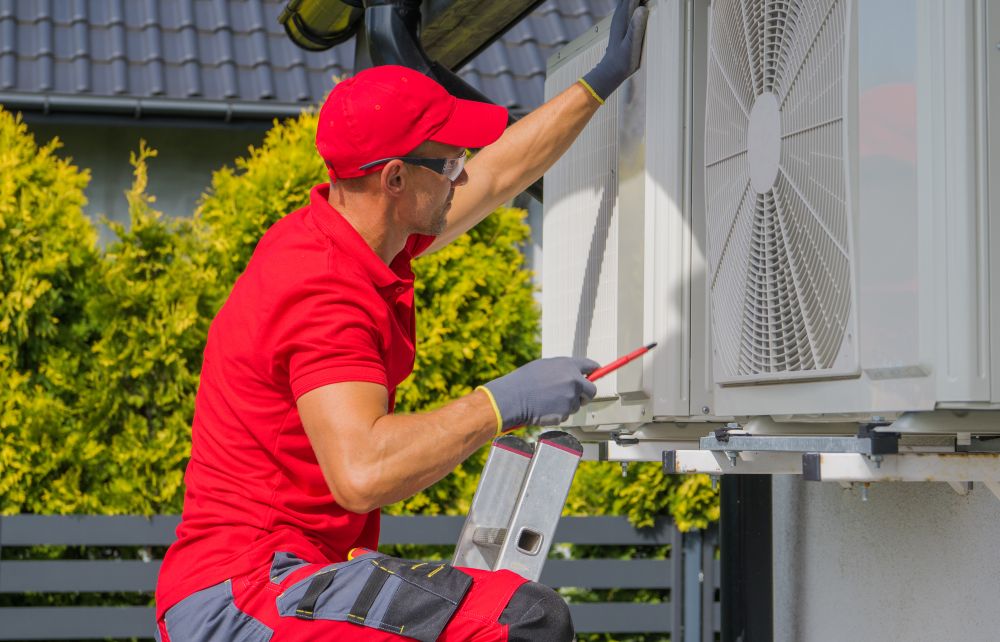
    A malfunctioning air conditioner can quickly turn a comfortable home into an uncomfortable one. The good news is that many AC problems can be prevented or fixed quickly with the right approach. Knowing practical tips for air conditioning repair can save time, money, and stress.

    In this guide, we’ve gathered several easy-to-follow tips that help you maintain your system and address issues efficiently. Each tip is designed to be straightforward, so you can start applying them today. Whether you handle minor fixes yourself or call a professional, these tips make a real difference. Let’s dive into the top tips for fast and reliable air conditioning repair.

    Tip 1: Watch for Early Warning Signs

    The sooner you notice a problem, the easier it is to fix. Listen for unusual noises, such as rattling, buzzing, or hissing. Pay attention to uneven cooling or rooms that are warmer than usual. Unpleasant odors or excess humidity inside your home can also indicate a problem.

    Keep a checklist of common warning signs to monitor regularly. Acting early often leads to faster, more effective repairs. Staying alert to these signs can prevent a small issue from becoming a major repair.

    Tip 2: Change or Clean Your Filters Regularly

    Dirty filters reduce airflow and make your AC work harder. Check your filters at least once a month during peak use seasons. Replace or clean filters as recommended by your system’s manufacturer. Clean filters improve indoor air quality and system efficiency.

    This simple tip can prevent many common AC problems. Keeping filters maintained saves energy and extends your system’s lifespan. Regular filter care is a key step in supporting smooth air conditioning repair when needed.

    Tip 3: Keep Outdoor Units Clear

    Your condenser and coils need space to operate efficiently. Remove leaves, debris, and dirt from around the outdoor unit. Check the fins for bending or damage and gently straighten if necessary.

    Dirty coils reduce cooling efficiency and put stress on your system. Small preventative actions can prevent costly breakdowns later. Cleaning the outdoor unit regularly helps your AC run smoothly. Maintaining a clear area ensures faster and easier repairs if problems arise.

    Tip 4: Use Your Thermostat Wisely

    Setting your thermostat correctly can prevent unnecessary strain. Avoid extreme temperature settings that force your AC to work harder. Consider a programmable thermostat to maintain consistent and energy-efficient temperatures. Monitor any unusual fluctuations, which may indicate system issues.

    Proper thermostat use keeps your system balanced and reduces the need for repairs. Minor adjustments can improve both comfort and efficiency. Smart thermostat habits are an easy way to support reliable air conditioning repair.

    Tip 5: Know When to Call a Professional

    Some AC problems require expert attention. Issues like refrigerant leaks, electrical faults, or compressor failures are best handled by a licensed technician. Attempting this air conditioning repair yourself can worsen the problem or void warranties. Keep a trusted professional’s contact information handy for emergencies.

    Calling early prevents prolonged discomfort and more expensive fixes. Professionals have the tools and experience to restore your system efficiently. Understanding when to call ensures that your repairs are fast and effective.

    Tip 6: Schedule Regular Maintenance

    Routine maintenance is one of the most effective ways to avoid emergencies. Annual or biannual checkups can identify problems before they escalate. Technicians inspect, clean, and lubricate components to keep your AC running efficiently. Regular maintenance extends the lifespan of your system and keeps it energy efficient.

    Scheduling maintenance in advance prevents long waits during busy seasons. It also reduces the frequency of costly repairs. Consistent checkups are a simple tip for fast and reliable air conditioning repair.

    Tip 7: Keep a Record of Your AC System

    Documenting your AC’s history can save time and effort in the long run. Track filter changes, maintenance visits, and any repairs. Records help technicians understand past issues and make informed decisions quickly. They also highlight recurring problems that may need attention.

    Keeping organized records can speed up service calls and warranty claims. Clear documentation ensures that repair work is accurate and efficient. A simple log is a practical tip that contributes to smoother air conditioning repair.

    Conclusion

    Keeping your air conditioner running smoothly doesn’t have to be stressful. By following these practical tips, you can prevent problems and handle repairs efficiently. Watching for warning signs, maintaining filters, keeping outdoor units clear, and using your thermostat wisely all make a difference.

    Regular professional maintenance and proper documentation ensure that any repair is quick and effective. Applying these tips consistently helps your system stay reliable and energy efficient. With a proactive approach, you can enjoy comfort all year round. Use these tips today to make air conditioning repair faster, easier, and stress-free.

  • Key Preventive Maintenance Services Every Commercial Property Owner Should Prioritize

    Key Preventive Maintenance Services Every Commercial Property Owner Should Prioritize

    Owning or managing a commercial property comes with the responsibility of protecting a valuable asset while ensuring the safety, comfort, and productivity of its occupants. Preventive maintenance plays a critical role in avoiding unexpected breakdowns, costly repairs, and regulatory issues. Rather than reacting to problems after they disrupt operations, proactive service planning helps extend system lifespans, reduce downtime, and maintain compliance.

    In this blog post, we’ll explore key preventive maintenance services for commercial property owners seeking long-term reliability and cost control. Read on!

    Maintaining HVAC Systems

    Heating, ventilation, and air conditioning systems are among the most heavily used components in any commercial building. Regular HVAC maintenance ensures consistent indoor comfort while preventing energy waste and system failure. Routine inspections, filter replacements, coil cleaning, and performance testing allow technicians to identify worn components before they lead to breakdowns.

    Well-maintained HVAC systems also improve indoor air quality, which can positively affect tenant satisfaction, employee productivity, and overall health. From office buildings to retail spaces and industrial facilities, prioritizing HVAC maintenance protects both equipment investments and occupant well-being.

    Inspecting Electrical Systems

    Electrical systems power every aspect of a commercial property, from lighting and security to data infrastructure and machinery. Preventive electrical inspections help identify loose connections, overloaded circuits, outdated panels, and potential fire hazards. By addressing these issues early, property owners reduce the risk of power outages, equipment damage, and safety violations.

    Regular testing and maintenance also ensure compliance with local codes and insurance requirements. In facilities that operate continuously or house sensitive equipment, proactive electrical maintenance is essential for uninterrupted operations.

    Monitoring Plumbing Infrastructure

    Commercial plumbing systems experience far greater demand than residential systems, making them more susceptible to wear and failure. Preventive plumbing maintenance includes checking for leaks, corrosion, pressure irregularities, and drainage issues throughout the building.

    Early detection of plumbing problems prevents water damage, mold growth, and disruptions to daily business activities. Consistent monitoring also helps control water usage and utility costs, contributing to more sustainable property management. A well-maintained plumbing system supports hygiene, safety, and operational efficiency.

    Performing Sewer Line Camera Inspection

    Sewer line camera inspection is a highly effective preventive service that allows property owners to assess underground pipes without invasive excavation. Using specialized cameras, technicians can identify blockages, cracks, root intrusion, corrosion, and misaligned pipes before they cause backups or system failures. This service is especially important for older commercial properties or buildings with high wastewater usage.

    By investing in sewer line camera inspection services, such as those offered at Bass Reddy Rooter, property owners gain clear insight into the condition of their sewer infrastructure, allowing for targeted repairs rather than emergency responses. Proactive inspections help avoid costly downtime, tenant complaints, and potential health hazards associated with sewer line failures.

    Servicing Roofing and Drainage Systems

    Roofing systems protect commercial properties from weather-related damage, yet they are often overlooked until leaks appear. Preventive roof maintenance includes inspections for membrane damage, flashing deterioration, ponding water, and clogged drains. Addressing minor issues early prevents structural damage, interior water intrusion, and insulation loss.

    Proper drainage maintenance also lessens the risk of roof collapse during heavy rainfall. Regular servicing helps extend roof lifespan and preserves the building envelope, making it a cost-effective priority for property owners.

    Managing Commercial Wastewater Treatment

    Commercial wastewater treatment is a critical maintenance priority for properties that generate significant wastewater, including restaurants, manufacturing facilities, healthcare buildings, and multi-tenant complexes. Proper treatment ensures that wastewater meets environmental regulations before being discharged into municipal systems or the environment. Routine system maintenance prevents clogs, overflows, and equipment malfunctions that could result in fines or operational shutdowns.

    By maintaining commercial wastewater treatment systems, property owners protect public health, support environmental responsibility, and maintain compliance with local and federal standards. This proactive approach also extends the lifespan of treatment equipment and reduces long-term operational costs. Reaching out to experienced commercial wastewater treatment professionals, like those from Blue Earth Products, can further ensure system efficiency, regulatory compliance, and long-term operational reliability.

    Preserving Fire Protection Systems

    Fire protection systems are essential for occupant safety and regulatory compliance. Preventive maintenance includes inspecting sprinklers, alarms, extinguishers, emergency lighting, and fire suppression systems. Regular testing ensures these systems function properly during emergencies and meet inspection requirements set by authorities having jurisdiction.

    Maintaining fire protection systems not only reduces liability but also provides peace of mind for tenants and employees. Consistent servicing demonstrates a commitment to safety while minimizing the risk of catastrophic property loss.

    Preventive maintenance is most effective when services are coordinated through a structured planning approach. Scheduling routine inspections, maintaining service records, and working with qualified professionals allow property owners to anticipate needs rather than react to crises. By prioritizing essential services such as HVAC maintenance, sewer line camera inspection, and commercial wastewater treatment, commercial property owners create a safer, more efficient, and more resilient environment.

    Moreover, proactive maintenance not only protects physical assets but also supports long-term financial stability and tenant satisfaction. Investing in preventive maintenance is not an expense; it is a strategic decision that safeguards operations, boosts property value, and ensures reliability for years to come.

  • How Commercial Furniture Upholstery Enhances Customer Comfort and Experience

    How Commercial Furniture Upholstery Enhances Customer Comfort and Experience

    In any commercial setting—be it a restaurant, office, hotel, or retail space—furniture plays a vital role in shaping the overall customer experience. Beyond aesthetics, the comfort, quality, and design of upholstered furniture can significantly influence how clients and guests perceive your business. Investing in professional commercial furniture upholstery is not just about appearance; it’s about creating a welcoming and enjoyable environment that keeps customers coming back.

    Below, we’ll explore how commercial furniture upholstery improves customer comfort and experience. Let’s dive in!

    Creating a Comfortable and Inviting Atmosphere

    The first impression customers form of a business often depends on its physical environment. Well-upholstered furniture can instantly make a space look more polished, comfortable, and inviting. Whether it’s the plush booths in a café, the ergonomic chairs in an office waiting area, or the soft seating in a hotel lobby, quality upholstery communicates care and attention to detail.

    Comfortable furniture encourages customers to stay longer, relax, and engage more positively with the environment. For instance, in restaurants and lounges, cozy and supportive seating enhances the dining experience, while in office spaces, comfortable upholstered chairs can make waiting or conducting business more pleasant. When clients feel physically at ease, it positively affects their emotional response, leaving them with a lasting impression of comfort and quality.

    Reflecting Brand Image and Professionalism

    The design, color, and material of your upholstered furniture also play a crucial role in reflecting your brand’s identity. Commercial upholstery allows businesses to customize furniture to align with their branding—whether that means sleek leather finishes for a corporate office or vibrant fabrics for a creative workspace.

    High-quality upholstery conveys professionalism and attention to detail. Customers often associate well-maintained, stylish furniture with a company’s reliability and standards. Conversely, worn-out or outdated upholstery can send the opposite message, suggesting neglect or poor management. Investing in custom commercial upholstery ensures your furniture looks fresh, cohesive, and representative of your brand values, reinforcing your professional image in the eyes of customers and clients alike.

    Improving Durability and Long-Term Value

    In commercial environments where furniture is used frequently, durability is essential. Professional upholstery uses high-grade materials designed to withstand heavy use while maintaining comfort and style. From stain-resistant fabrics to durable foams and reinforced stitching, commercial upholstery is built to last.

    Regularly reupholstering furniture is a cost-effective alternative to buying new pieces. It allows businesses to preserve the structural integrity of quality furniture while updating the look and feel to match current trends or new branding. This approach not only saves money but also supports sustainability by reducing waste. The combination of comfort, quality, and durability makes professional upholstery a smart investment for any business seeking long-term value.

    Enhancing Acoustic and Environmental Comfort

    Beyond appearance and durability, upholstered furniture also contributes to the acoustic comfort of a space. Soft materials absorb sound, reducing echo and noise levels in busy areas like restaurants, hotels, and open office spaces. This creates a more pleasant and relaxing atmosphere for customers and employees alike.

    Additionally, modern upholstery materials can improve air quality by minimizing dust accumulation and using eco-friendly, low-emission fabrics. Businesses that choose sustainable upholstery options demonstrate a commitment to both customer well-being and environmental responsibility—values increasingly appreciated by today’s consumers.

    Elevating the Overall Customer Experience

    Ultimately, every aspect of the customer experience is influenced by comfort and aesthetics. Upholstered furniture that looks appealing and feels inviting enhances customer satisfaction and encourages repeat visits. Whether clients are dining, shopping, or conducting business, their comfort directly impacts how they perceive your brand.

    A thoughtfully designed and well-upholstered space fosters positive emotions, promotes relaxation, and reinforces trust. Customers are more likely to associate your brand with quality and care when they can physically experience those qualities through the furniture they use.

    Commercial furniture upholstery is more than a design choice; it’s a powerful tool for improving customer comfort and shaping memorable experiences. By investing in high-quality, professionally upholstered furniture, businesses can create inviting environments that reflect their brand identity, ensure durability, and elevate overall satisfaction. Whether you’re refreshing an existing space or designing a new one, consulting experienced furniture upholstery professionals, such as those from Bordeaux Upholstery, can help you achieve the perfect balance of comfort, style, and function that keeps customers coming back.

  • 5 Upgrades That Strengthen Your Storefront’s Defense System

    5 Upgrades That Strengthen Your Storefront’s Defense System

    Your storefront is more than just a place of business—it’s a symbol of your brand and a vital part of your livelihood. In today’s world, protecting that investment means going beyond basic security. Whether you’re managing a boutique, a chain of retail stores, or launching a new venture, upgrading your defense system can help you stay ahead of threats and ensure peace of mind.

    So, here are five impactful upgrades that can fortify your storefront and keep your business safe.

    Reinforcing Entry Points with Hurricane-Rated Doors

    Your doors are the first line of defense against both intruders and nature. If your storefront is located in a region prone to extreme weather, investing in hurricane rated commercial doors is a smart move. These doors are engineered to withstand high winds, flying debris, and forced entry attempts. They’re built with reinforced materials and secure framing that hold up under pressure, making them ideal for coastal areas and storm-prone zones.

    Beyond weather resistance, hurricane-rated doors also offer a sleek, professional appearance that complements your storefront’s design. They’re available in various finishes and styles, so you don’t have to sacrifice aesthetics for safety. Upgrading to these doors not only protects your inventory and property but also signals to customers and insurers that you take security seriously. It’s a proactive step that can reduce long-term repair costs and improve your building’s overall resilience.

    Securing Access With Commercial Locks Installed by Professionals

    Locks may seem like a small detail, but they play a huge role in your storefront’s security. Standard locks are often easy targets for break-ins, especially in high-traffic retail areas. That’s why it’s essential to switch to commercial high-security locks installed by professional locksmiths like JPM Lock & Security. Commercial, high-security locks are designed with advanced mechanisms that resist picking, drilling, and bumping—common techniques used by intruders.

    Professional installation ensures that your locks are fitted correctly and integrated with your broader security system. Experts can also assess your storefront’s vulnerabilities and recommend the best locking solutions for your doors, windows, and storage areas. This upgrade not only protects your merchandise but also helps you control access more effectively. Whether you’re managing employee turnover or handling sensitive inventory, high-security locks give you greater confidence and control.

    Enhancing Visibility With Smart Surveillance Systems

    Visibility is power when it comes to storefront security. Modern surveillance systems do more than record—they provide real-time monitoring, alerts, and analytics that help you stay informed and responsive. Upgrading to smart cameras with motion detection, night vision, and cloud storage allows you to monitor your property from anywhere. You can check in remotely, receive alerts for suspicious activity, and even share footage with law enforcement if needed.

    Smart surveillance also acts as a deterrent. Visible cameras signal to potential intruders that your store is protected and monitored. For business owners, this means fewer incidents and faster response times. Plus, many systems integrate with mobile apps and other smart devices, making it easier to manage security on the go. Whether you’re traveling or working off-site, you’ll have eyes on your storefront 24/7.

    Strengthening Perimeter Security With Bollards and Barriers

    Physical barriers are an often-overlooked but highly effective way to protect your storefront. Bollards, security posts, and reinforced planters can prevent vehicle-based break-ins and accidental damage. These structures are especially useful for stores located near busy streets or in areas with high pedestrian traffic. They create a buffer zone that keeps your storefront safe without obstructing visibility or access.

    Installing bollards or barriers also adds a layer of professionalism to your exterior. They can be customized to match your branding or storefront design, blending safety with style. More importantly, they help protect your windows, doors, and entryways from impact. This upgrade is particularly valuable for businesses with large glass displays or high-value merchandise near the front of the store.

    Improving Emergency Response With Integrated Alarm Systems

    When an incident occurs, response time is everything. Integrated alarm systems connect your storefront’s sensors, cameras, and access points to a central monitoring hub. This allows for faster alerts, automatic notifications to authorities, and immediate action. Whether it’s a break-in, fire, or environmental hazard, a well-designed alarm system ensures that help is on the way.

    Modern alarm systems can be tailored to your business needs. You can set zones, schedule activation times, and receive mobile alerts. Some systems even include panic buttons and voice alerts for added protection. By upgrading your alarm system, you’re not just reacting to threats—you’re preparing for them. It’s a proactive investment that protects your team, your customers, and your bottom line.

    Conclusion

    Your storefront deserves more than basic protection. By investing in strategic upgrades, you’re building a defense system that works around the clock. These enhancements don’t just secure your property—they support your business growth, customer trust, and long-term success. Stay ahead of threats and give your storefront the security it deserves.

  • Get Your HVAC Ready for the Season: Simple Steps to Ensure Peak Performance

    Get Your HVAC Ready for the Season: Simple Steps to Ensure Peak Performance

    When the seasons change, your home’s comfort depends on how well your HVAC system performs. Whether you’re preparing for summer heat or winter chill, a little preparation now can prevent big problems later. Regular upkeep keeps your system efficient, extends its lifespan, and helps you save on energy costs.

    Many homeowners wait until something breaks before giving their HVAC attention—but by then, repairs can be costly. A few minutes of seasonal care can make all the difference in how your system runs. With just a handful of easy tasks, you can make sure your home stays comfortable no matter the weather. Let’s go over the best ways to keep your HVAC running smoothly all season long.

    1. Start with a Simple Visual Check

    Before switching your system on for the first time this season, take a quick look around. Check for any visible damage, corrosion, or loose wires that might signal wear. Clear away leaves, branches, or dirt from around your outdoor unit to keep airflow steady. Inside, make sure vents aren’t blocked by curtains or furniture that can restrict circulation. These small steps help your system work efficiently without unnecessary strain. Catching minor issues early can save you from major repairs down the road. This easy inspection sets the stage for a season of trouble-free comfort.

    2. Replace or Clean Air Filters Regularly

    Air filters do more than trap dust—they keep your air clean and your system healthy. When they get clogged, airflow becomes restricted, forcing your HVAC to work harder than it should. A dirty filter can raise your energy bills and shorten your system’s lifespan. It’s best to clean or replace filters every one to three months, depending on your home’s needs. This simple routine helps prevent buildup that leads to poor air quality and uneven temperatures. Consistent airflow ensures your system runs efficiently and quietly. A clean filter is one of the easiest ways to boost performance instantly.

    3. Test and Adjust the Thermostat

    Your thermostat controls how your HVAC responds to changing temperatures, so it’s worth a quick test. Try adjusting the temperature a few degrees up or down to see if the system reacts properly. If it doesn’t, replace the batteries or recalibrate it according to the manufacturer’s guide. Smart thermostats make this even easier, helping you fine-tune comfort and track energy use. A thermostat that’s even slightly off can cause your system to overwork or underperform. Keeping it accurate ensures balanced heating and cooling throughout your home. This small check can help you avoid inefficiency before the season begins.

    4. Clean and Clear Around the Outdoor Unit

    Outdoor units face the elements year-round and often gather debris that can interfere with performance. Make sure there’s at least two feet of open space around the unit for proper ventilation. Turn off the power before rinsing away dust or grass with a gentle hose spray—avoid high pressure to protect delicate parts. Check that the unit sits evenly on its base to prevent vibration or uneven wear. While it might seem like a small chore, this step helps your system breathe and operate efficiently. A clean outdoor unit can also run quieter and cool or heat more effectively. Regular cleaning ensures lasting performance and fewer service calls later on.

    5. Pay Attention to Unusual Noises or Smells

    Strange sounds or lingering odors are your HVAC’s way of asking for attention. A rattling or buzzing noise could point to a loose component, while burning or musty smells often suggest deeper issues. Ignoring these warning signs can lead to more damage over time. Addressing them promptly not only saves money but also keeps your home safe. In some cases, these symptoms may indicate the need for home furnace repair, especially if your heating system struggles during colder months. Taking action early prevents small problems from turning into major inconveniences. When your HVAC sounds right and smells clean, you know it’s running as it should.

    6. Schedule Professional Maintenance Before Extreme Weather

    Even if you handle basic upkeep, some tasks are best left to an expert. Scheduling hvac system maintenance with a certified technician before summer or winter ensures your system is ready for heavy use. A professional will inspect electrical connections, refrigerant levels, and moving parts to catch hidden problems early. They can fine-tune your system for efficiency and safety, preventing costly breakdowns later. Think of it as a seasonal checkup that keeps your comfort system in top condition. This proactive step can also help maintain your warranty and reduce long-term wear. With a little expert help, you’ll be confident your HVAC is ready for anything.

    7. Improve Home Efficiency for Year-Round Comfort

    A well-maintained HVAC system works best when your home supports it. Check for air leaks around windows and doors, and seal any gaps with weatherstripping or caulk. Add insulation in attics or crawl spaces to help maintain consistent indoor temperatures. Simple habits—like closing blinds on hot days or letting sunlight in during winter—can make a noticeable difference. When your home holds air better, your HVAC doesn’t need to work as hard to keep you comfortable. This balance lowers energy bills while extending your system’s lifespan. Small efficiency improvements can create a big impact on comfort and savings.

    Conclusion

    Getting your HVAC ready for the season doesn’t have to be complicated. A little time spent inspecting, cleaning, and scheduling professional care can lead to months of smooth, efficient operation. These small habits prevent unexpected breakdowns, improve indoor air quality, and keep energy costs down. Whether it’s replacing a filter or arranging a tune-up, every action helps your system last longer. Don’t wait until your system struggles—give it the attention it deserves now. With consistent upkeep, you can enjoy steady comfort through every season. After all, a well-cared-for HVAC means a more comfortable, worry-free home.

Design a site like this with WordPress.com
Get started