Category: Blog

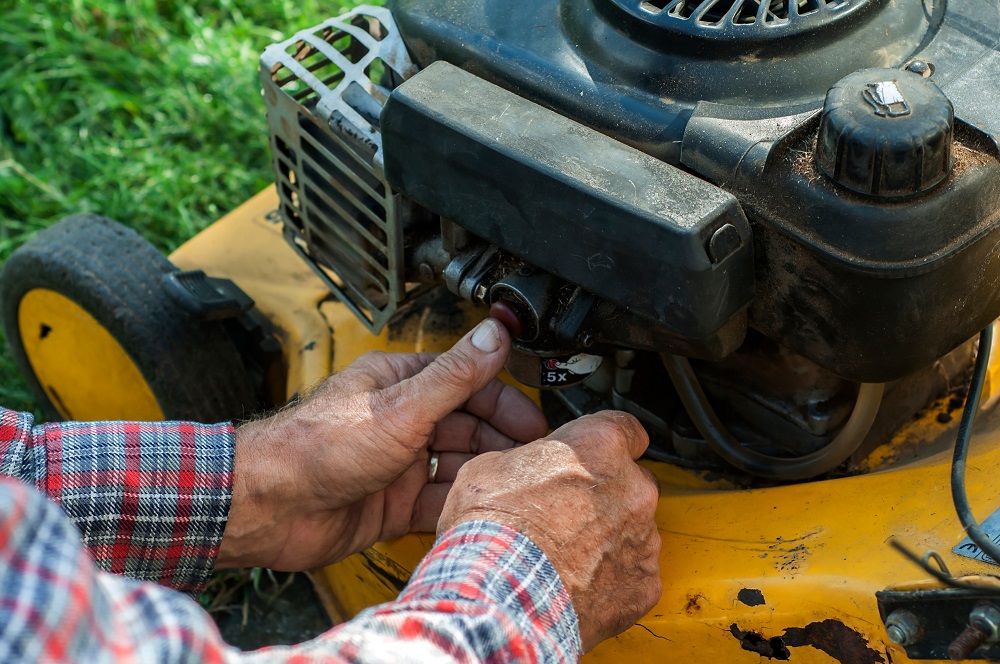
  • Why Expert Repairs Are Essential for Landscape Equipment

    Why Expert Repairs Are Essential for Landscape Equipment

    Landscape equipment plays an important role in keeping lawns and outdoor spaces neat and well maintained. Mowers, trimmers, blowers, and other machines handle demanding work regularly, which can eventually lead to worn parts or performance issues. When equipment starts making unusual noises, losing power, or working less efficiently, putting off repairs can make the problem more difficult to address.

    Professional repairs can identify the underlying issue and help restore equipment to proper working condition. They can also help prevent minor problems from developing into more expensive repairs. Knowing why expert service matters can make it easier to care for equipment properly and keep daily landscaping work moving.

    Professionals Can Identify Problems More Accurately

    Landscape equipment problems are not always easy to spot. A mower that struggles to start, for example, could have an issue with its fuel system, ignition components, battery, or another part. Professional technicians have experience inspecting different types of equipment and can assess the symptoms before deciding what needs attention. This approach helps avoid unnecessary part replacements or repairs based only on assumptions. It also allows problems to be addressed at their source instead of treating only the most noticeable symptom. For equipment owners, an accurate diagnosis can save both time and frustration.

    Proper Repairs Help Maintain Equipment Performance

    Regular use places stress on engines, blades, belts, filters, and other components. When one part begins to wear out, it can affect how the rest of the equipment operates and may gradually reduce its overall efficiency. Professional repairs can restore damaged or worn components so the machine can perform its intended tasks more effectively. Proper servicing can also address smaller issues before they interfere with daily landscaping work.

    Technicians can also check related parts that may have been affected by the original problem. This attention to the equipment as a whole can help maintain consistent performance during demanding landscaping work and reduce the chances of recurring issues. A properly repaired machine is also less likely to create unexpected interruptions when it is needed most, helping crews stay focused on the work at hand.

    Expert Service Can Help Prevent Further Damage

    A small equipment problem may seem manageable at first, but continuing to operate a machine with a faulty component can place additional strain on other parts. For example, a worn belt or damaged blade can affect performance and potentially contribute to other mechanical issues. Having the problem inspected early gives a technician an opportunity to correct it before additional damage develops. This can make repairs more straightforward and may reduce the cost of replacing multiple components later.

    It also gives equipment owners a better understanding of what caused the issue in the first place. Prompt attention is especially useful when equipment is used frequently for commercial or large-scale landscaping work.

    Right Tools and Knowledge Make a Difference

    Many landscape equipment repairs require more than basic mechanical knowledge. Different machines have specific components and manufacturer recommendations that need to be considered during service. Professional technicians use appropriate tools and repair procedures to work on these systems safely and accurately. They can also recognize signs of wear that may not be obvious during a quick visual inspection.

    For instance, unusual vibration, inconsistent cutting, or reduced engine power may point to an underlying mechanical problem. Working with professionals such as those at Commercial Mower Depot can provide a practical way to have equipment inspected and repaired according to its specific needs. Addressing these signs early can help prevent minor problems from developing into more serious equipment issues.

    Professional Repairs Can Support Equipment Longevity

    Landscape equipment represents an investment, so keeping machines in usable condition can help owners get more value from them. Repairs address problems that could otherwise shorten the useful life of important components. Replacing worn parts and correcting mechanical issues can reduce unnecessary strain on the equipment during future use. Proper service can also complement routine maintenance, such as cleaning and blade care. While no machine lasts forever, consistent attention to repairs and maintenance can help equipment remain dependable for longer. This can be especially valuable for businesses that rely on their equipment regularly.

    Reliable Equipment Makes Landscaping Work Easier

    Well-functioning equipment can make routine landscaping tasks more manageable and predictable. When a mower starts properly and operates without unusual issues, there is less time spent dealing with unexpected interruptions. The same applies to trimmers and other tools used throughout a landscaping job. Professional repairs can help restore that reliability when equipment begins showing signs of trouble.

    Taking care of repairs also gives operators greater confidence that their machines are ready for the work ahead. With the right care, landscape equipment can continue supporting productive and efficient outdoor maintenance.

  • 5 Amenities That Set Successful Laundry Shops Apart

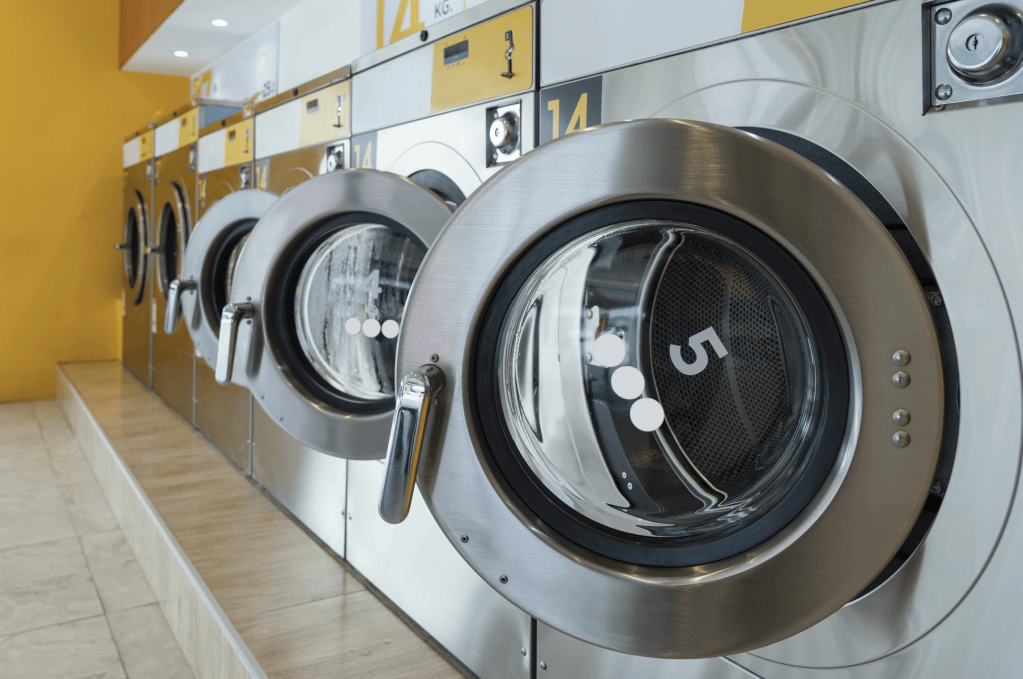
    5 Amenities That Set Successful Laundry Shops Apart

    Running a laundry shop today is about more than just washers and dryers. Customers expect convenience and even entertainment when they visit, and the most successful laundry businesses are those that go beyond the basics to create a welcoming environment.

    In this article, we’ll explore some thoughtful amenities that can transform a simple chore into a positive experience that keeps people coming back.

    Comfortable Seating and Relaxation Areas

    One of the most overlooked aspects of a laundry shop is seating. Customers often spend an hour or more waiting for their laundry, and uncomfortable chairs can make the experience feel tedious.

    Successful laundry shops invest in cushioned seating, lounge-style arrangements, cozy reading nooks, or even small relaxation corners where customers can read, work, recharge, or simply unwind. Adding natural lighting or calming décor can also further enhance the atmosphere. When people feel at ease, they are more likely to stay longer, enjoy the environment, and return for future visits.

    Free Wi-Fi and Charging Stations

    In today’s connected world, customers expect to stay online while waiting. Offering free Wi-Fi is no longer a luxury but a necessity, and pairing it with charging stations for phones and laptops makes a laundry shop far more appealing. This amenity allows customers to work remotely or stream entertainment while waiting.

    Shops that provide reliable internet access often see longer customer stays and stronger loyalty, as people appreciate the convenience of productivity and entertainment in one place. For students or busy professionals, this can make a laundry shop feel like an extension of their workspace.

    Skill Game Machines and Entertainment Options

    Entertainment amenities can set a laundry shop apart from competitors. Installing skill game machines provides customers with a fun way to pass the time, and these machines can also generate additional revenue for the business.

    Beyond gaming, some shops add televisions, music systems, interactive kiosks, or even small children’s play areas to keep families engaged. The goal is to make waiting enjoyable rather than frustrating. When customers associate laundry day with entertainment, they’re likely to return regularly. A shop that offers these engaging activities also creates a sense of community, where neighbors connect, and individuals find comfort in a lively yet welcoming environment.

    Refreshments and Vending Services

    Successful laundry shops often provide refreshments through vending machines or small snack bars. Having access to drinks and light snacks makes the waiting period more comfortable and convenient, especially for customers who come straight from work or errands. Some shops even take this further by offering healthier options or specialty beverages.

    This amenity improves customer satisfaction and adds another revenue stream for the business. A customer who can enjoy a coffee or a quick bite while waiting is far more likely to view the shop as a welcoming place rather than just a stop for chores, turning the experience into something pleasant and memorable.

    Cleanliness and Safe Facilities

    Above all, customers value a clean and safe environment. Shops that prioritize hygiene, maintain modern machines, provide clear safety measures, and ensure well-lit spaces stand out as trustworthy and professional.

    Adding features like security cameras and accessible restrooms reinforces the sense of safety and reliability. When customers feel confident that their belongings are secure and the facilities are well-maintained, they are more likely to recommend the shop to others and become repeat visitors. Cleanliness also reflects directly on the brand’s reputation, and modern facilities show that the business is committed to quality and customer care.

    Conclusion

    Laundry shops that thrive are those that go beyond the basics and create an environment where customers feel comfortable and valued. These amenities can transform your patrons’ routine task into a positive experience.

    By focusing on cleanliness, safety, updated technology, and modern facilities, owners can build trust and loyalty while setting their business apart in a competitive market. In the end, it’s about creating a space where people want to spend their time.

  • Why Every Commercial Property Needs Routine Electrical Maintenance

    Why Every Commercial Property Needs Routine Electrical Maintenance

    Electrical systems are essential to the daily operation of nearly every commercial property. From lighting and security equipment to computers, HVAC systems, appliances, and specialized machinery, businesses depend on reliable power to keep their spaces functional and productive. Yet electrical components can deteriorate gradually, making problems difficult to notice until they cause an outage, equipment failure, or safety concern. This is where routine electrical maintenance comes in, providing a proactive way to identify developing issues and keep commercial systems operating safely and efficiently.

    In this blog post, we’ll explore why commercial properties need routine electrical maintenance. Read on!

    Prevent Unexpected Electrical Failures

    Unexpected electrical problems bring business operations to a sudden halt. A faulty connection, overloaded circuit, worn component, or deteriorating wiring may cause equipment to stop working or an entire section of a property to lose power. Routine inspections allow electrical professionals to identify potential problems before they become disruptive failures. Addressing minor issues during scheduled maintenance can help businesses avoid emergency repairs and reduce costly downtime.

    Protect Employees and Property

    Electrical faults create serious safety hazards when they remain unnoticed. Damaged wiring, loose connections, overloaded circuits, and malfunctioning electrical equipment can increase the risk of shocks or electrical fires.

    Regular maintenance helps identify unsafe conditions and provides an opportunity to correct them before they threaten occupants or the building itself. Maintaining electrical systems also supports a safer environment for employees, customers, tenants, and visitors.

    Preserve Electrical Equipment

    Commercial properties often rely on expensive equipment that requires a stable electrical supply. Voltage irregularities, damaged connections, and poorly maintained components can place unnecessary stress on sensitive equipment and contribute to premature failures.

    Routine electrical maintenance ensures that power distribution systems are functioning as intended. By addressing electrical concerns early, property owners help protect valuable equipment and lessen avoidable replacement costs.

    Improve Energy Efficiency

    Electrical maintenance also contributes to more efficient energy use. Aging components, poor connections, outdated equipment, and electrical system deficiencies may cause unnecessary energy consumption.

    During routine service, professionals, such as those from Tulsa Electric, identify areas where electrical performance could be improved and recommend appropriate corrections or upgrades. Better system performance helps commercial properties control operating expenses while supporting more efficient use of electricity.

    Support Regulatory Compliance

    Commercial electrical systems must meet applicable safety requirements and electrical codes. Regular maintenance helps property owners identify conditions that may fall short of current standards or create compliance concerns. Professional inspections reveal issues that might otherwise be overlooked during everyday operations. Keeping maintenance records also demonstrates that the property owner takes reasonable steps to maintain electrical systems and address identified deficiencies.

    Extend System Service Life

    Electrical infrastructure represents a significant investment, particularly in large commercial buildings with extensive wiring, distribution equipment, lighting systems, and specialized installations. Neglect can accelerate wear and increase the likelihood of premature component failure.

    Routine maintenance helps detect deterioration and allows damaged or aging parts to be addressed before they affect larger portions of the system. This proactive approach extends the useful life of electrical infrastructure and delays unnecessary replacement projects.

    A dependable electrical system supports productivity, comfort, security, and continuity throughout a commercial property. Routine maintenance gives property owners greater visibility into the condition of their electrical infrastructure and helps them address concerns before they become emergencies. Rather than waiting for an outage or hazardous fault to reveal a problem, businesses can use scheduled maintenance to manage electrical systems proactively.

    For commercial property owners and facility managers, routine electrical maintenance is an important part of responsible building management. Consistent inspections and timely repairs improve safety, protect equipment, support efficiency, and reduce operational disruptions. Investing in preventive electrical care today can help maintain a safer and better-performing commercial property over the long term.

  • 5 Ways Landscapers Keep Commercial Properties Looking Immaculate

    5 Ways Landscapers Keep Commercial Properties Looking Immaculate

    Maintaining a commercial property is about creating a welcoming environment that reflects professionalism and care. Landscapers play a vital role in ensuring that businesses present themselves in the best possible light, but their work goes far beyond mowing lawns or trimming hedges. They apply strategic planning and use specialized tools to help commercial spaces remain attractive and inviting all year long.

    In this article, we’ll share how landscapers keep properties in tip-top shape. Let’s dive into them!

    Precision in Routine Maintenance

    One of the most important ways landscapers keep commercial properties looking immaculate is through consistent routine maintenance, which includes mowing, edging, trimming, and pruning. They also monitor plant health, soil conditions, and seasonal changes for a well-maintained property all year round. Landscapers understand that commercial properties often experience heavier foot traffic and environmental stress, so they tailor their maintenance schedules to meet these unique demands. This, in turn, influences how clients and visitors perceive a business.

    By combining long, detailed inspections with quick, efficient tasks, they ensure that every corner of the property remains polished and presentable. Over time, this level of care prevents small issues from becoming larger problems.

    Strategic Use of Commercial Landscaping Supplies

    Professional landscapers rely on specialized tools and materials to achieve lasting results, which can include high-quality fertilizers and durable irrigation systems. Many businesses benefit from the use of these commercial green landscaping supplies. They are designed to withstand the rigors of large-scale property care and deliver consistent results without compromising on environmental responsibility.

    From installing eco-friendly mulch to using advanced irrigation technology, the right supplies make a noticeable difference in both the appearance and longevity of a landscape. These resources ensure that commercial properties look immaculate and vibrant in the long run.

    Seasonal Enhancements and Planting

    Landscapers know that commercial properties must adapt to seasonal changes, and they plan accordingly. In spring, they may introduce vibrant flowers to create a welcoming atmosphere. During autumn, they focus on cleanup and preparation for colder months. Seasonal planting keeps properties visually appealing while ensuring that landscapes remain healthy and resilient throughout the year. Landscapers alternate longer, descriptive planning strategies with shorter, straightforward actions for a rhythm of care that keeps properties fresh and engaging.

    Their strategy prevents landscapes from appearing stagnant. For businesses, it helps maintain a dynamic, professional image, showcasing their brand personality and facade.

    Advanced Irrigation and Water Management

    Water management is one of the most critical aspects of commercial landscaping. Landscapers implement advanced irrigation systems that deliver precise amounts of water to different areas of a property, reducing waste and promoting plant health. They also monitor drainage to prevent issues like standing water or damage to paved areas.

    A well-designed irrigation system keeps plants thriving and protects the overall investment in the property. Landscapers balance long-term strategies with immediate adjustments, ensuring that water use remains efficient and sustainable while supporting the property’s aesthetic appeal. Businesses benefit from this expertise because it ensures that landscapes remain lush even during periods of drought or heavy rainfall.

    Attention to Detail in Hardscape Care

    Commercial properties often feature walkways, patios, retaining walls, and other hardscape elements that require just as much attention as plants and greenery. Landscapers clean and repair these structures to ensure they remain functional and visually appealing – from pressure washing surfaces to sealing pavers. Hardscape care demonstrates a commitment to thoroughness, showing that every aspect of the landscape contributes to a polished and professional environment.

    By alternating restoration projects with simple upkeep tasks, landscapers maintain a balance that keeps properties consistently immaculate. This attention to detail ensures that visitors, employees, and clients experience a seamless outdoor environment.

    Conclusion

    Landscapers bring expertise and strategic planning to every commercial property they manage. Through routine maintenance, the use of specialized supplies, seasonal enhancements, advanced irrigation, and detailed hardscape care, they ensure that businesses always present themselves at their best. Their work enhances curb appeal and supports long-term property value.

    For companies that want to make a lasting impression, partnering with skilled landscapers is one of the most effective ways to keep commercial spaces looking immaculate year-round.

  • 5 Tools and Processes That Support Better Organizational Performance

    5 Tools and Processes That Support Better Organizational Performance

    Today, organizations are under constant pressure to adapt, innovate, and deliver results. Success is now defined by how well companies use technology and processes to support collaboration and make informed decisions. And when leaders invest in systems that enhance communication and provide actionable insights, organizations can strengthen their performance and position themselves for long-term growth.

    In this article, we’ll share five tools and processes that boost organizational performance for businesses.

    Enhancing Communication Through Unified Platforms

    Communication is the lifeblood of any organization. Organizations that use unified platforms that combine messaging, video conferencing, and project collaboration, their teams interact and communicate better. These platforms eliminate barriers between departments, allowing employees to share updates and resolve issues in real time. And when these tools are integrated into daily workflows, they reduce misunderstandings and speed up decision-making.

    The result is a workplace where employees feel more connected. Managers gain clearer visibility into projects, and the employees communicate with better cohesion. Having strong communication systems over time fosters a culture of transparency and trust, which is essential for sustained performance.

    Streamlining Data Management With Integrated Systems

    Data is one of the most powerful assets a company can leverage, but without proper management, it can quickly become fragmented and unreliable. Integrated systems provide a centralized approach to collecting and analyzing information. With these in place, decision-makers ensure that employees have access to accurate and consistent data.

    This process reduces duplication and minimizes errors for the organization. For industries where compliance and accountability are critical, integrated data management offers the transparency needed to meet regulatory standards. Beyond that, these systems empower leaders to identify trends and seize opportunities, making data a driver of growth rather than a burden.

    Strengthening Decision-Making With Management Information System Frameworks

    Decision-making is most effective when supported by structured processes and reliable information. A management information system framework provides the foundation in this aspect. By gathering, processing, and presenting data in ways that align with organizational goals, this framework ensures that leaders are working with accurate information. They also provide insights tailored to the specific challenges their business faces. By connecting data to strategic objectives, companies can make decisions that are timely, relevant, and impactful.

    The framework also supports long-term planning by highlighting patterns and trends that might otherwise remain hidden. In this way, leaders have the confidence to act decisively in a dynamic environment.

    Driving Efficiency Through Workflow Automation

    Efficiency is a cornerstone of organizational performance, and workflow automation has become a powerful tool for achieving it. Automation solutions handle repetitive tasks such as approvals and notifications, freeing employees to focus on higher-value work. This reduces the risk of human error while making sure that processes are completed consistently and on schedule.

    Managers benefit from this improved visibility into project progress. On one hand, employees gain more time to engage in creative problem-solving and strategic initiatives. This type of automation also allows organizations to scale operations without adding unnecessary complexity, creating a smoother path to growth and innovation.

    Supporting Long-Term Strategy With Performance Analytics

    Performance analytics tools give organizations the ability to measure progress and celebrate achievements. These tools go beyond simple reporting by offering predictive insights that help leaders anticipate challenges and opportunities.

    By tracking metrics across departments, organizations can ensure alignment with overall strategy and make adjustments when necessary. Performance analytics also foster accountability. Teams are able to see how their contributions impact broader goals, and when used effectively, encourage employees to strive for excellence with the analytics. Leaders, meanwhile, are given the information they need to guide the company toward sustainable success.

    Conclusion

    Organizational performance is shaped by the systems and processes that support daily operations and long-term strategy. By enhancing communication, streamlining data management, strengthening decision-making through frameworks, automating workflows, and leveraging performance analytics, companies can build a foundation for resilience and growth.

    These tools and processes work together to create an informed environment. With these systems, employees are empowered, leaders are informed, the organization is prepared, and the company culture is dynamic to thrive in an ever-changing business landscape.

  • 5 Refrigeration Parts That Extend the Life of Your Commercial Display Cases

    5 Refrigeration Parts That Extend the Life of Your Commercial Display Cases

    Commercial display cases are the backbone of many retail and food businesses. They keep products fresh, attract customers, and ensure compliance with food safety standards. Yet, like any piece of equipment, they rely on well-maintained parts to function efficiently. By focusing on a few key refrigeration components, you can extend the lifespan of your cases, reduce costly breakdowns, and maintain consistent performance.

    In this article, we’ll share key refrigeration parts that keep your commercial display cases in top condition.

    High-Performance Compressors That Maintain Cooling Efficiency

    The compressor is the heart of any refrigeration system. It regulates the flow of refrigerant and ensures that your display case maintains the right temperature. Investing in a high-performance compressor not only improves cooling efficiency but also reduces energy consumption.

    Regular maintenance, such as checking oil levels and monitoring for unusual noises, can prevent early wear. A reliable compressor helps avoid temperature fluctuations that could compromise product quality, making it one of the most critical parts for long-term case performance.

    Durable Evaporator Coils That Prevent Frost Build-Up

    Evaporator coils are responsible for absorbing heat inside the case and keeping products at the desired temperature. Over time, coils can accumulate frost or dirt, which reduces efficiency and forces the system to work harder. Choosing durable coils designed for heavy commercial use ensures better airflow and consistent cooling.

    Cleaning them regularly and replacing worn components prevents frost build-up, which can otherwise shorten the life of your refrigeration system. Well-maintained evaporator coils directly contribute to smoother operation and lower energy costs.

    Reliable Condenser Fans That Improve Air Circulation

    Condenser fans play a vital role in expelling heat from the refrigeration system. Without proper airflow, the condenser can overheat, leading to system failure. High-quality condenser fans are built to withstand continuous operation in demanding environments.

    Replacing worn or noisy fans promptly helps maintain optimal air circulation and prevents overheating. By ensuring that your condenser fans are reliable and efficient, you protect the entire refrigeration system from unnecessary strain and extend its service life.

    Hussmann Case Parts That Ensure Brand-Specific Reliability

    For businesses using Hussmann display cases, sourcing genuine Hussmann case parts is essential. These parts are engineered to fit seamlessly with Hussmann’s designs, ensuring compatibility and performance. Whether it’s door gaskets, shelving components, or fan motors, using brand-specific parts reduces the risk of malfunctions and maintains warranty compliance.

    Hussmann case parts are designed with durability in mind, helping retailers keep their cases running smoothly for years. Investing in authentic replacements rather than generic alternatives is a smart way to protect your equipment and avoid costly downtime.

    Quality Door Gaskets That Preserve Temperature Control

    Door gaskets may seem like a small detail, but they are crucial for maintaining proper temperature inside display cases. Worn or cracked gaskets allow cold air to escape, forcing the compressor to work harder and increasing energy costs. High-quality gaskets provide a tight seal, preserving cooling efficiency and reducing strain on other components.

    Regular inspection and timely replacement of door gaskets can significantly extend the life of your refrigeration system. By keeping cold air where it belongs, you protect both your products and your equipment.

    Conclusion

    Commercial display cases are a major investment, and their longevity depends on the condition of key refrigeration parts. Compressors, evaporator coils, condenser fans, Hussmann case parts, and door gaskets all play vital roles in keeping your cases efficient and reliable.

    By prioritising maintenance and choosing quality replacements, you not only extend the life of your equipment but also ensure consistent performance that supports your business success. A proactive approach to refrigeration care pays off in reduced costs, fewer breakdowns, and fresher products on display.

  • Why Proper Warehouse Storage Is Critical for Inventory Control

    Why Proper Warehouse Storage Is Critical for Inventory Control

    Proper warehouse storage plays a central role in maintaining accurate inventory control. Whether a business handles a small volume of goods or manages a large-scale distribution operation, the way items are stored directly impacts efficiency, accuracy, and overall profitability. Disorganized or poorly planned storage systems can lead to misplaced products, inaccurate counts, and unnecessary delays. On the other hand, a well-structured warehouse creates a foundation for streamlined operations and better decision-making. Understanding why proper warehouse storage matters is essential for any business that depends on inventory management.

    Improving Inventory Accuracy

    Accurate inventory records are vital for meeting customer demands and maintaining smooth operations. Proper warehouse storage, like the ones available at NetMOVE, ensures that every product has a designated place, making it easier to track quantities and locations. When items are stored systematically, employees can quickly locate products and update inventory records without confusion or error.

    In contrast, disorganized storage often leads to misplaced items and incorrect counts. This can result in stock discrepancies, over-ordering, or running out of essential products. By implementing structured storage systems such as labeled shelving, bin locations, and organized layouts, businesses can significantly improve inventory accuracy and lessen costly mistakes.

    Reducing Product Loss and Damage

    Warehouse storage is not just about organization; it also plays a key role in protecting inventory. Proper storage methods ensure that goods are handled and placed in ways that minimize the risk of damage. For example, fragile items can be stored in secure areas, while heavy goods are placed on appropriate shelving to prevent accidents.

    Poor storage practices, on the other hand, can lead to damaged products, spoilage, or even theft. Items that are stacked incorrectly or stored in unsuitable conditions are more likely to become unsellable. By prioritizing proper warehouse storage, businesses can safeguard their inventory, reduce losses, and maintain product quality from storage to delivery.

    Enhancing Operational Efficiency

    Efficiency is a major factor in successful inventory control, and proper warehouse storage directly contributes to smoother workflows. When items are stored logically and consistently, employees can pick, pack, and move products more quickly. This reduces the time spent searching for items and minimizes delays in order fulfillment.

    An organized warehouse layout also supports better use of space and resources. Clear pathways, designated zones, and optimized storage systems help streamline daily operations. As a result, businesses can handle higher volumes of orders with less effort, improving productivity and customer satisfaction at the same time.

    Supporting Better Inventory Tracking Systems

    Modern inventory management often relies on digital tracking systems, such as barcode scanning or warehouse management software. However, these systems are only as effective as the physical storage structure supporting them. Proper warehouse storage ensures that digital records align with actual product locations.

    When storage is inconsistent or cluttered, even the best tracking systems can become unreliable. Employees may struggle to find items that are incorrectly stored, leading to delays and inaccuracies. By maintaining organized storage practices, businesses can maximize the effectiveness of their inventory tracking systems and ensure real-time visibility into stock levels.

    Facilitating Faster Order Fulfillment

    Timely order fulfillment is essential for maintaining customer satisfaction and staying competitive. Proper warehouse storage makes it easier to retrieve items quickly and accurately, reducing the time it takes to process orders. Clearly labeled sections and logical product placement allow workers to move efficiently through the warehouse.

    Delays caused by disorganized storage can lead to missed deadlines and unhappy customers. In fast-paced industries, even small inefficiencies can have a significant impact. By investing in proper storage solutions, businesses can speed up order processing and create a more reliable fulfillment process.

    Proper warehouse storage is more than just a matter of organization; it is a fundamental component of effective inventory control. From improving accuracy and efficiency to reducing losses and enhancing safety, the benefits are far-reaching. Businesses that invest in structured storage systems position themselves for smoother operations, better customer service, and long-term success.

  • 5 Investments for Your Commercial Facility’s Safety and Efficiency

    5 Investments for Your Commercial Facility’s Safety and Efficiency

    Running a commercial facility means balancing safety, efficiency, and long-term sustainability. The right investments not only protect your property and people but also reduce costs and improve operations. By focusing on key areas, you can create a safer environment, improve tenant satisfaction, and strengthen your facility’s reputation.

    In this article, we’ll share five smart investments that can make a lasting difference for your business’s safety and efficiency.

    Upgrading Fire Safety Systems

    Fire safety is one of the most critical aspects of facility management. Modern fire detection and suppression systems go beyond basic alarms. They integrate with building automation, provide real-time alerts, and allow faster response times. Investing in advanced sprinklers, smoke detectors, and monitoring systems ensures compliance with regulations and protects both employees and assets.

    These upgrades also reduce downtime in case of emergencies, keeping your facility operational and secure. Beyond compliance, fire safety investments demonstrate a commitment to protecting lives and property. Tenants and employees feel more confident knowing that the facility is equipped with reliable systems.

    In addition, modern fire safety technology often comes with predictive maintenance features, which help identify potential issues before they become emergencies. This proactive approach saves money in the long run and strengthens the resilience of your building.

    Enhancing Facility Maintenance Emergency

    Unexpected breakdowns can disrupt operations and create safety hazards. That’s why facility maintenance emergency services are essential. Partnering with providers who offer 24/7 response ensures that issues like electrical failures or malfunctions are handled quickly.

    This investment minimizes costly downtime and prevents small problems from escalating into major repairs. A reliable emergency maintenance plan also reassures tenants and employees that the facility is prepared for any situation. When emergencies are addressed promptly, productivity is preserved, and safety risks are reduced.

    Over time, this proactive strategy saves money and strengthens the overall resilience of your building. It also builds trust with tenants, who value knowing that their workplace is supported by dependable maintenance services. By investing in dependable emergency maintenance services, you ensure that your facility remains safe, efficient, and prepared to handle challenges without compromising daily operations.

    Investing in Energy-Efficient Lighting and HVAC Systems

    Energy efficiency is no longer optional—it’s a necessity for modern facilities. Upgrading to LED lighting and smart HVAC systems reduces utility costs while improving comfort and safety. LED lights last longer, require less maintenance, and provide better illumination for workspaces and common areas.

    Smart HVAC systems adjust automatically to occupancy and weather conditions, ensuring optimal performance without wasting energy. These investments not only lower operating expenses but also support sustainability goals, which can enhance your facility’s reputation and appeal to eco-conscious tenants.

    Energy-efficient systems also contribute to healthier indoor environments by improving air quality and reducing heat fluctuations. Over time, the savings from reduced energy consumption can be reinvested into other areas of facility improvement, creating a cycle of growth and efficiency.

    Strengthening Security Services

    Security is a cornerstone of facility management. Modern solutions go beyond cameras and locks. Comprehensive security services, like those offered by OneService Commercial Building Service & Security, provide integrated systems that combine surveillance, access control, and on-site personnel.

    These services protect against theft, vandalism, and unauthorized access while creating a safer environment for everyone. Investing in advanced security measures also reduces liability risks and builds trust with tenants. A secure facility is more attractive to businesses and clients, making this investment a driver of long-term success.

    In addition, modern security systems often integrate with smart building technology, allowing managers to monitor activity in real time and respond quickly to potential threats. This level of preparedness ensures that your facility remains a safe and reliable place to work and visit. Ultimately, prioritizing robust security services ensures peace of mind, protects your assets, and positions your facility as a trusted and dependable place for businesses to thrive.

    Implementing Smart Building Technology

    Smart building technology ties all these investments together. From automated lighting and HVAC controls to predictive maintenance and digital security monitoring, smart systems improve efficiency and reduce human error.

    They provide valuable data insights that help managers make informed decisions about energy use, safety protocols, and maintenance schedules. Over time, these technologies lower costs, extend equipment life, and enhance the overall experience for tenants and employees.

    Smart systems also allow facilities to adapt quickly to changing needs, whether that means scaling operations, improving sustainability, or enhancing safety measures. A facility that embraces smart technology demonstrates innovation and readiness for the future, making it more competitive in the marketplace.

    Conclusion

    Investing in safety and efficiency is not just about compliance—it’s about creating a thriving environment where people feel secure and operations run smoothly. By prioritizing these areas, you set your commercial property up for long-term success, reduced costs, and increased tenant satisfaction. With these investments, your facility becomes more than just a building—it becomes a safe, efficient, and future-ready space that supports growth and inspires confidence.

  • Top Tips for Fast and Reliable Air Conditioning Repair

    Top Tips for Fast and Reliable Air Conditioning Repair

    A malfunctioning air conditioner can quickly turn a comfortable home into an uncomfortable one. The good news is that many AC problems can be prevented or fixed quickly with the right approach. Knowing practical tips for air conditioning repair can save time, money, and stress.

    In this guide, we’ve gathered several easy-to-follow tips that help you maintain your system and address issues efficiently. Each tip is designed to be straightforward, so you can start applying them today. Whether you handle minor fixes yourself or call a professional, these tips make a real difference. Let’s dive into the top tips for fast and reliable air conditioning repair.

    Tip 1: Watch for Early Warning Signs

    The sooner you notice a problem, the easier it is to fix. Listen for unusual noises, such as rattling, buzzing, or hissing. Pay attention to uneven cooling or rooms that are warmer than usual. Unpleasant odors or excess humidity inside your home can also indicate a problem.

    Keep a checklist of common warning signs to monitor regularly. Acting early often leads to faster, more effective repairs. Staying alert to these signs can prevent a small issue from becoming a major repair.

    Tip 2: Change or Clean Your Filters Regularly

    Dirty filters reduce airflow and make your AC work harder. Check your filters at least once a month during peak use seasons. Replace or clean filters as recommended by your system’s manufacturer. Clean filters improve indoor air quality and system efficiency.

    This simple tip can prevent many common AC problems. Keeping filters maintained saves energy and extends your system’s lifespan. Regular filter care is a key step in supporting smooth air conditioning repair when needed.

    Tip 3: Keep Outdoor Units Clear

    Your condenser and coils need space to operate efficiently. Remove leaves, debris, and dirt from around the outdoor unit. Check the fins for bending or damage and gently straighten if necessary.

    Dirty coils reduce cooling efficiency and put stress on your system. Small preventative actions can prevent costly breakdowns later. Cleaning the outdoor unit regularly helps your AC run smoothly. Maintaining a clear area ensures faster and easier repairs if problems arise.

    Tip 4: Use Your Thermostat Wisely

    Setting your thermostat correctly can prevent unnecessary strain. Avoid extreme temperature settings that force your AC to work harder. Consider a programmable thermostat to maintain consistent and energy-efficient temperatures. Monitor any unusual fluctuations, which may indicate system issues.

    Proper thermostat use keeps your system balanced and reduces the need for repairs. Minor adjustments can improve both comfort and efficiency. Smart thermostat habits are an easy way to support reliable air conditioning repair.

    Tip 5: Know When to Call a Professional

    Some AC problems require expert attention. Issues like refrigerant leaks, electrical faults, or compressor failures are best handled by a licensed technician. Attempting this air conditioning repair yourself can worsen the problem or void warranties. Keep a trusted professional’s contact information handy for emergencies.

    Calling early prevents prolonged discomfort and more expensive fixes. Professionals have the tools and experience to restore your system efficiently. Understanding when to call ensures that your repairs are fast and effective.

    Tip 6: Schedule Regular Maintenance

    Routine maintenance is one of the most effective ways to avoid emergencies. Annual or biannual checkups can identify problems before they escalate. Technicians inspect, clean, and lubricate components to keep your AC running efficiently. Regular maintenance extends the lifespan of your system and keeps it energy efficient.

    Scheduling maintenance in advance prevents long waits during busy seasons. It also reduces the frequency of costly repairs. Consistent checkups are a simple tip for fast and reliable air conditioning repair.

    Tip 7: Keep a Record of Your AC System

    Documenting your AC’s history can save time and effort in the long run. Track filter changes, maintenance visits, and any repairs. Records help technicians understand past issues and make informed decisions quickly. They also highlight recurring problems that may need attention.

    Keeping organized records can speed up service calls and warranty claims. Clear documentation ensures that repair work is accurate and efficient. A simple log is a practical tip that contributes to smoother air conditioning repair.

    Conclusion

    Keeping your air conditioner running smoothly doesn’t have to be stressful. By following these practical tips, you can prevent problems and handle repairs efficiently. Watching for warning signs, maintaining filters, keeping outdoor units clear, and using your thermostat wisely all make a difference.

    Regular professional maintenance and proper documentation ensure that any repair is quick and effective. Applying these tips consistently helps your system stay reliable and energy efficient. With a proactive approach, you can enjoy comfort all year round. Use these tips today to make air conditioning repair faster, easier, and stress-free.

  • 5 Ways Cleanroom Certification Enhances Product Quality and Compliance

    5 Ways Cleanroom Certification Enhances Product Quality and Compliance

    Cleanroom environments are vital in industries where precision and safety cannot be compromised. From pharmaceuticals to aerospace, companies depend on controlled spaces to minimize contamination and ensure consistent results. Achieving cleanroom certification is more than a regulatory requirement—it is a strategic advantage that strengthens product quality, compliance, and customer trust.

    Here, we’ll share the benefits of a cleanroom certification for product quality and compliance.

    Strengthening Contamination Control

    One of the most important benefits of cleanroom certification is its ability to reduce contamination risks. Certified cleanrooms follow strict standards for air filtration, humidity, and particle control. These measures ensure that sensitive products, such as medical devices or microchips, are manufactured in environments free from harmful particles.

    By maintaining these conditions, companies can prevent costly defects, protect consumer safety, and deliver products that meet the highest quality expectations. This level of control is especially critical in industries where even the smallest contamination can compromise performance or safety. Over time, consistent contamination control also reduces waste and improves efficiency, making certification a practical investment in both quality and cost savings.

    Meeting Regulatory Standards with Confidence

    Industries like pharmaceuticals, biotechnology, and healthcare face rigorous regulatory requirements. Cleanroom certification provides documented proof that facilities meet established standards such as ISO classifications or FDA guidelines. This certification not only helps companies pass audits smoothly but also demonstrates a proactive commitment to compliance.

    When regulators see that a facility is certified, it builds confidence in the company’s processes and reduces the risk of penalties or delays in product approvals. In a competitive market, being able to show cleanroom certification can also speed up partnerships and product launches, giving companies a clear advantage. Compliance is not just about avoiding fines—it is about building credibility and showing stakeholders that quality is embedded in every step of production.

    Enhancing Product Reliability and Consistency

    Consistency is key in manufacturing, and cleanroom certification ensures that every batch of products is produced under the same controlled conditions. This reduces variability and strengthens reliability, which is especially critical in industries where even minor deviations can compromise performance. For example, in semiconductor manufacturing, consistent cleanroom conditions directly impact the efficiency and durability of chips.

    Certification guarantees that customers receive products that perform as expected, every time. Over time, this consistency builds a reputation for reliability, which is essential for long-term success. Reliable production also reduces recalls and customer complaints, helping companies save resources while maintaining strong relationships with clients.

    Building Customer Trust and Market Reputation

    Customers and partners increasingly look for proof of quality when choosing suppliers. Cleanroom certification serves as a visible assurance that a company prioritizes safety and precision. It signals professionalism and reliability, helping businesses stand out in competitive markets. For clients in sectors like healthcare or aerospace, certification can be the deciding factor when selecting a supplier.

    By showcasing compliance and quality control, companies strengthen their reputation and foster long-term trust. This trust not only supports customer loyalty but also opens doors to new opportunities and collaborations. In industries where reputation is everything, certification becomes a powerful marketing tool that reinforces credibility and sets a company apart from competitors.

    Supporting Innovation and Future Growth

    Innovation thrives in environments where risks are minimized. Cleanroom certification provides the foundation for research and development by ensuring that experiments and prototypes are conducted in stable, controlled conditions. This allows companies to explore new technologies, scale production, and enter new markets with confidence. Certification also supports global expansion, as many international clients require proof of compliance before forming partnerships.

    In this way, cleanroom certification not only protects current operations but also opens doors to future opportunities, making it a cornerstone of sustainable growth. Companies that invest in certification position themselves as forward-thinking leaders, ready to adapt to evolving industry demands and technological advancements.

    Conclusion

    Cleanroom certification is more than a technical requirement—it is a strategic investment in quality, compliance, and growth. By controlling contamination, meeting regulations, ensuring consistency, building trust, and supporting innovation, certification helps companies deliver products that meet the highest standards. In industries where precision matters, cleanroom certification is a powerful tool for success.

Design a site like this with WordPress.com
Get started