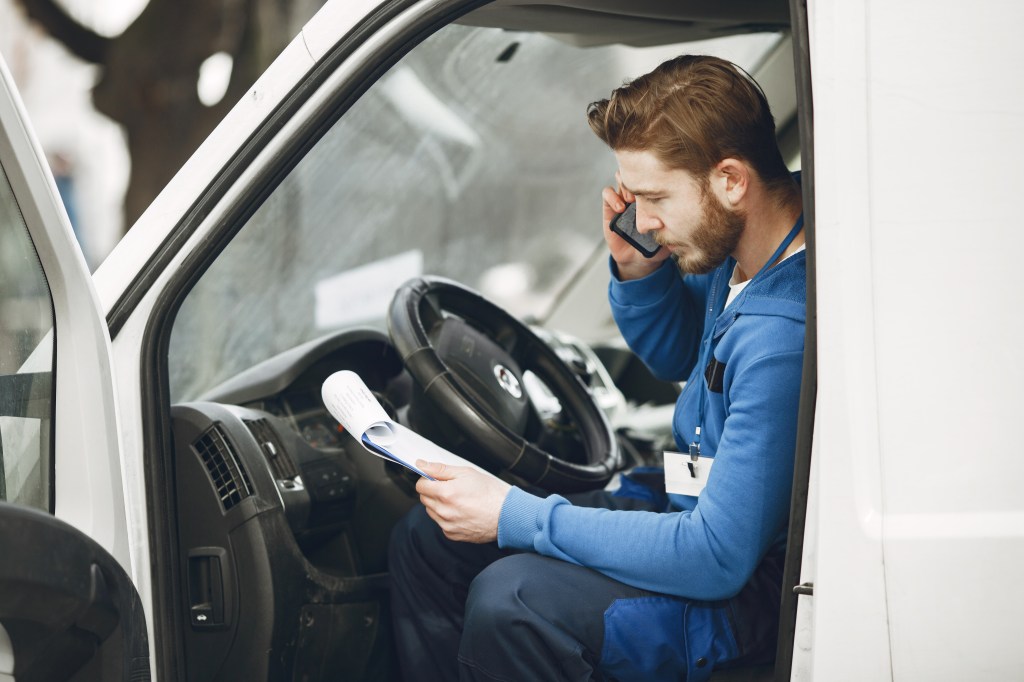
Businesses that rely on vehicles for daily operations face risks that extend beyond routine maintenance and fuel expenses. A delivery van traveling between customer locations or a company truck transporting equipment faces potential accidents that could lead to expensive repairs and legal claims. These unexpected events may disrupt operations and place pressure on business finances. Commercial vehicle insurance provides financial protection against covered losses, making it an important part of a comprehensive business protection strategy.
Protect Your Business From Financial Losses
Vehicle accidents often involve expenses that extend beyond repairing a damaged vehicle. Depending on the circumstances, a business may face property damage claims, medical expenses, or legal costs. Without appropriate coverage, these obligations could place a substantial burden on company finances.
Commercial vehicle insurance offers protection against specified financial losses resulting from covered incidents. Liability coverage, for example, generally addresses eligible claims involving bodily injury or property damage caused by an insured vehicle. Physical damage coverage may also pay for repairs or replacement following covered collisions or other insured events, subject to policy terms.
With suitable coverage in place, businesses gain a more predictable way to manage accident-related expenses instead of absorbing every eligible cost directly.
Safeguard Your Employees and Drivers
Employees who drive for work face risks that differ from those associated with ordinary commuting. Frequent travel and unfamiliar routes may increase their exposure to road hazards. Protecting these workers should therefore remain an important consideration in business planning.
Commercial vehicle insurance, like the ones offered at Sierra Oak Insurance Services Inc, provides coverage options suited to business driving needs. Depending on the policy, medical payments coverage or personal injury protection may address certain medical expenses following an accident. Workers’ compensation may also apply to eligible employee injuries sustained during work-related activities, depending on applicable laws and circumstances.
Business owners should review these protections carefully to understand which expenses fall under each policy. Appropriate coverage supports responsible risk management and demonstrates a commitment to employee welfare.
Maintain Operational Continuity
When a business vehicle becomes unusable after an accident, daily operations may suffer. Deliveries might arrive late, service appointments could require rescheduling, and employees may struggle to complete assigned tasks. Such disruptions may affect customer satisfaction and reduce revenue.
Commercial vehicle insurance contributes to operational resilience by lessening the financial impact of covered incidents. Depending on the policy, businesses may obtain rental reimbursement or other transportation-related benefits during eligible repairs. These options offer a practical way to address temporary transportation needs.
Business owners should also consider how many vehicles their operations require and how heavily each unit contributes to daily productivity. Reviewing these factors helps identify coverage options that support continuity when an unexpected incident occurs.
Meet Legal and Contractual Requirements
Many jurisdictions require certain vehicles used for business purposes to carry minimum liability insurance. Businesses that operate commercial trucks or transport specific types of cargo may face additional insurance requirements. Failing to meet applicable obligations could result in penalties or other legal complications.
Insurance requirements may also appear in agreements with clients, suppliers, or commercial property owners. Some contracts require proof of coverage before a company begins providing services or transporting goods.
Business owners should verify local regulations and review contractual obligations before selecting a policy. Meeting these requirements supports compliance and strengthens professional credibility.
Strengthen Your Long-Term Business Stability
A single serious accident may affect a company’s finances long after the initial incident. Unexpected claims and repair expenses could divert funds away from planned investments or routine operating costs. Commercial vehicle insurance provides a structured approach to managing covered risks, allowing businesses to protect financial resources against certain unforeseen events.
The right policy depends on the vehicles involved, how they are used, and the risks associated with daily operations. Reviewing coverage limits, exclusions, deductibles, and available endorsements helps business owners identify potential gaps before a claim occurs.
Commercial vehicle insurance is more than a regulatory obligation. It is a practical investment in financial protection, employee safety, and business continuity. By choosing coverage that reflects their operational needs, business owners position their companies to handle unexpected vehicle-related expenses with greater confidence.


Leave a Reply