Tag: hvac

  • Top Tips for Fast and Reliable Air Conditioning Repair

    Top Tips for Fast and Reliable Air Conditioning Repair

    A malfunctioning air conditioner can quickly turn a comfortable home into an uncomfortable one. The good news is that many AC problems can be prevented or fixed quickly with the right approach. Knowing practical tips for air conditioning repair can save time, money, and stress.

    In this guide, we’ve gathered several easy-to-follow tips that help you maintain your system and address issues efficiently. Each tip is designed to be straightforward, so you can start applying them today. Whether you handle minor fixes yourself or call a professional, these tips make a real difference. Let’s dive into the top tips for fast and reliable air conditioning repair.

    Tip 1: Watch for Early Warning Signs

    The sooner you notice a problem, the easier it is to fix. Listen for unusual noises, such as rattling, buzzing, or hissing. Pay attention to uneven cooling or rooms that are warmer than usual. Unpleasant odors or excess humidity inside your home can also indicate a problem.

    Keep a checklist of common warning signs to monitor regularly. Acting early often leads to faster, more effective repairs. Staying alert to these signs can prevent a small issue from becoming a major repair.

    Tip 2: Change or Clean Your Filters Regularly

    Dirty filters reduce airflow and make your AC work harder. Check your filters at least once a month during peak use seasons. Replace or clean filters as recommended by your system’s manufacturer. Clean filters improve indoor air quality and system efficiency.

    This simple tip can prevent many common AC problems. Keeping filters maintained saves energy and extends your system’s lifespan. Regular filter care is a key step in supporting smooth air conditioning repair when needed.

    Tip 3: Keep Outdoor Units Clear

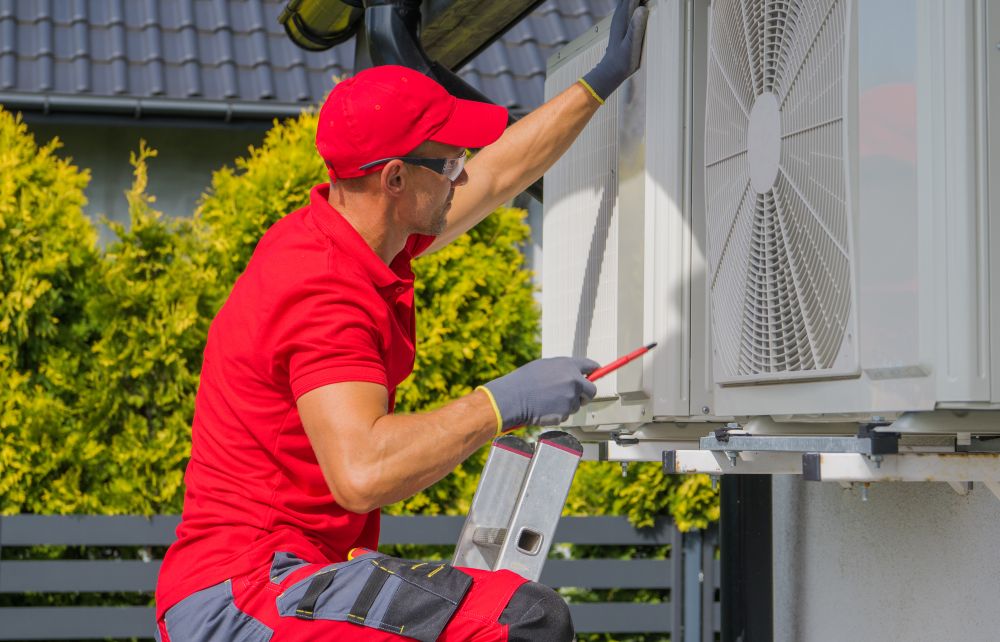
    Your condenser and coils need space to operate efficiently. Remove leaves, debris, and dirt from around the outdoor unit. Check the fins for bending or damage and gently straighten if necessary.

    Dirty coils reduce cooling efficiency and put stress on your system. Small preventative actions can prevent costly breakdowns later. Cleaning the outdoor unit regularly helps your AC run smoothly. Maintaining a clear area ensures faster and easier repairs if problems arise.

    Tip 4: Use Your Thermostat Wisely

    Setting your thermostat correctly can prevent unnecessary strain. Avoid extreme temperature settings that force your AC to work harder. Consider a programmable thermostat to maintain consistent and energy-efficient temperatures. Monitor any unusual fluctuations, which may indicate system issues.

    Proper thermostat use keeps your system balanced and reduces the need for repairs. Minor adjustments can improve both comfort and efficiency. Smart thermostat habits are an easy way to support reliable air conditioning repair.

    Tip 5: Know When to Call a Professional

    Some AC problems require expert attention. Issues like refrigerant leaks, electrical faults, or compressor failures are best handled by a licensed technician. Attempting this air conditioning repair yourself can worsen the problem or void warranties. Keep a trusted professional’s contact information handy for emergencies.

    Calling early prevents prolonged discomfort and more expensive fixes. Professionals have the tools and experience to restore your system efficiently. Understanding when to call ensures that your repairs are fast and effective.

    Tip 6: Schedule Regular Maintenance

    Routine maintenance is one of the most effective ways to avoid emergencies. Annual or biannual checkups can identify problems before they escalate. Technicians inspect, clean, and lubricate components to keep your AC running efficiently. Regular maintenance extends the lifespan of your system and keeps it energy efficient.

    Scheduling maintenance in advance prevents long waits during busy seasons. It also reduces the frequency of costly repairs. Consistent checkups are a simple tip for fast and reliable air conditioning repair.

    Tip 7: Keep a Record of Your AC System

    Documenting your AC’s history can save time and effort in the long run. Track filter changes, maintenance visits, and any repairs. Records help technicians understand past issues and make informed decisions quickly. They also highlight recurring problems that may need attention.

    Keeping organized records can speed up service calls and warranty claims. Clear documentation ensures that repair work is accurate and efficient. A simple log is a practical tip that contributes to smoother air conditioning repair.

    Conclusion

    Keeping your air conditioner running smoothly doesn’t have to be stressful. By following these practical tips, you can prevent problems and handle repairs efficiently. Watching for warning signs, maintaining filters, keeping outdoor units clear, and using your thermostat wisely all make a difference.

    Regular professional maintenance and proper documentation ensure that any repair is quick and effective. Applying these tips consistently helps your system stay reliable and energy efficient. With a proactive approach, you can enjoy comfort all year round. Use these tips today to make air conditioning repair faster, easier, and stress-free.
  • Get Your HVAC Ready for the Season: Simple Steps to Ensure Peak Performance

    Get Your HVAC Ready for the Season: Simple Steps to Ensure Peak Performance

    When the seasons change, your home’s comfort depends on how well your HVAC system performs. Whether you’re preparing for summer heat or winter chill, a little preparation now can prevent big problems later. Regular upkeep keeps your system efficient, extends its lifespan, and helps you save on energy costs.

    Many homeowners wait until something breaks before giving their HVAC attention—but by then, repairs can be costly. A few minutes of seasonal care can make all the difference in how your system runs. With just a handful of easy tasks, you can make sure your home stays comfortable no matter the weather. Let’s go over the best ways to keep your HVAC running smoothly all season long.

    1. Start with a Simple Visual Check

    Before switching your system on for the first time this season, take a quick look around. Check for any visible damage, corrosion, or loose wires that might signal wear. Clear away leaves, branches, or dirt from around your outdoor unit to keep airflow steady. Inside, make sure vents aren’t blocked by curtains or furniture that can restrict circulation. These small steps help your system work efficiently without unnecessary strain. Catching minor issues early can save you from major repairs down the road. This easy inspection sets the stage for a season of trouble-free comfort.

    2. Replace or Clean Air Filters Regularly

    Air filters do more than trap dust—they keep your air clean and your system healthy. When they get clogged, airflow becomes restricted, forcing your HVAC to work harder than it should. A dirty filter can raise your energy bills and shorten your system’s lifespan. It’s best to clean or replace filters every one to three months, depending on your home’s needs. This simple routine helps prevent buildup that leads to poor air quality and uneven temperatures. Consistent airflow ensures your system runs efficiently and quietly. A clean filter is one of the easiest ways to boost performance instantly.

    3. Test and Adjust the Thermostat

    Your thermostat controls how your HVAC responds to changing temperatures, so it’s worth a quick test. Try adjusting the temperature a few degrees up or down to see if the system reacts properly. If it doesn’t, replace the batteries or recalibrate it according to the manufacturer’s guide. Smart thermostats make this even easier, helping you fine-tune comfort and track energy use. A thermostat that’s even slightly off can cause your system to overwork or underperform. Keeping it accurate ensures balanced heating and cooling throughout your home. This small check can help you avoid inefficiency before the season begins.

    4. Clean and Clear Around the Outdoor Unit

    Outdoor units face the elements year-round and often gather debris that can interfere with performance. Make sure there’s at least two feet of open space around the unit for proper ventilation. Turn off the power before rinsing away dust or grass with a gentle hose spray—avoid high pressure to protect delicate parts. Check that the unit sits evenly on its base to prevent vibration or uneven wear. While it might seem like a small chore, this step helps your system breathe and operate efficiently. A clean outdoor unit can also run quieter and cool or heat more effectively. Regular cleaning ensures lasting performance and fewer service calls later on.

    5. Pay Attention to Unusual Noises or Smells

    Strange sounds or lingering odors are your HVAC’s way of asking for attention. A rattling or buzzing noise could point to a loose component, while burning or musty smells often suggest deeper issues. Ignoring these warning signs can lead to more damage over time. Addressing them promptly not only saves money but also keeps your home safe. In some cases, these symptoms may indicate the need for home furnace repair, especially if your heating system struggles during colder months. Taking action early prevents small problems from turning into major inconveniences. When your HVAC sounds right and smells clean, you know it’s running as it should.

    6. Schedule Professional Maintenance Before Extreme Weather

    Even if you handle basic upkeep, some tasks are best left to an expert. Scheduling hvac system maintenance with a certified technician before summer or winter ensures your system is ready for heavy use. A professional will inspect electrical connections, refrigerant levels, and moving parts to catch hidden problems early. They can fine-tune your system for efficiency and safety, preventing costly breakdowns later. Think of it as a seasonal checkup that keeps your comfort system in top condition. This proactive step can also help maintain your warranty and reduce long-term wear. With a little expert help, you’ll be confident your HVAC is ready for anything.

    7. Improve Home Efficiency for Year-Round Comfort

    A well-maintained HVAC system works best when your home supports it. Check for air leaks around windows and doors, and seal any gaps with weatherstripping or caulk. Add insulation in attics or crawl spaces to help maintain consistent indoor temperatures. Simple habits—like closing blinds on hot days or letting sunlight in during winter—can make a noticeable difference. When your home holds air better, your HVAC doesn’t need to work as hard to keep you comfortable. This balance lowers energy bills while extending your system’s lifespan. Small efficiency improvements can create a big impact on comfort and savings.

    Conclusion

    Getting your HVAC ready for the season doesn’t have to be complicated. A little time spent inspecting, cleaning, and scheduling professional care can lead to months of smooth, efficient operation. These small habits prevent unexpected breakdowns, improve indoor air quality, and keep energy costs down. Whether it’s replacing a filter or arranging a tune-up, every action helps your system last longer. Don’t wait until your system struggles—give it the attention it deserves now. With consistent upkeep, you can enjoy steady comfort through every season. After all, a well-cared-for HVAC means a more comfortable, worry-free home.

Design a site like this with WordPress.com
Get started