Tag: sustainability

  • Why Every Commercial Property Needs Routine Electrical Maintenance

    Why Every Commercial Property Needs Routine Electrical Maintenance

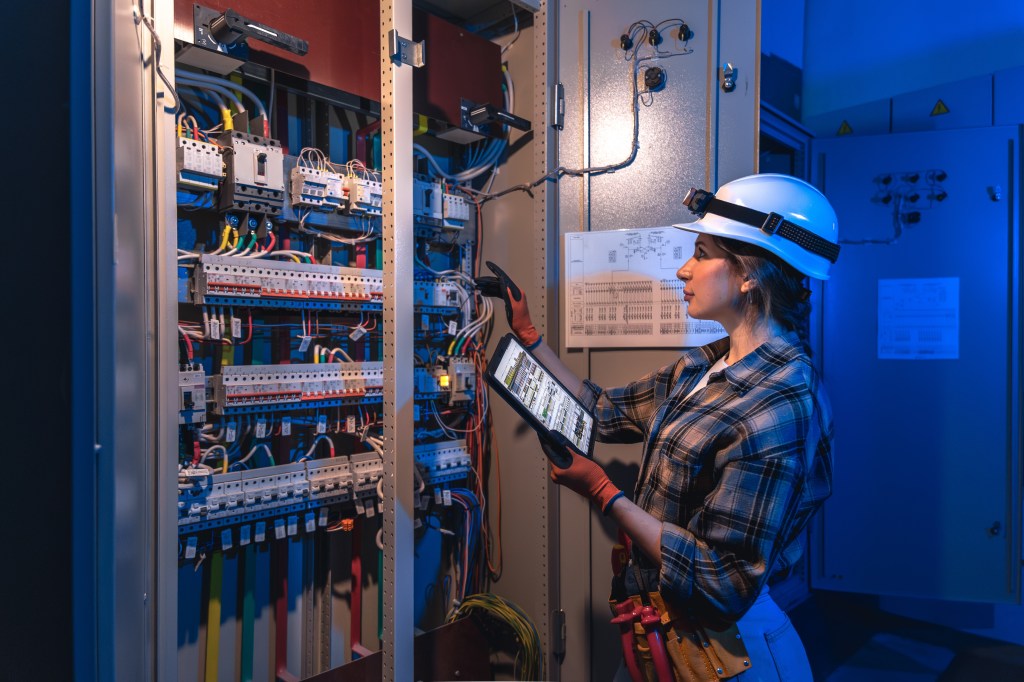
    Electrical systems are essential to the daily operation of nearly every commercial property. From lighting and security equipment to computers, HVAC systems, appliances, and specialized machinery, businesses depend on reliable power to keep their spaces functional and productive. Yet electrical components can deteriorate gradually, making problems difficult to notice until they cause an outage, equipment failure, or safety concern. This is where routine electrical maintenance comes in, providing a proactive way to identify developing issues and keep commercial systems operating safely and efficiently.

    In this blog post, we’ll explore why commercial properties need routine electrical maintenance. Read on!

    Prevent Unexpected Electrical Failures

    Unexpected electrical problems bring business operations to a sudden halt. A faulty connection, overloaded circuit, worn component, or deteriorating wiring may cause equipment to stop working or an entire section of a property to lose power. Routine inspections allow electrical professionals to identify potential problems before they become disruptive failures. Addressing minor issues during scheduled maintenance can help businesses avoid emergency repairs and reduce costly downtime.

    Protect Employees and Property

    Electrical faults create serious safety hazards when they remain unnoticed. Damaged wiring, loose connections, overloaded circuits, and malfunctioning electrical equipment can increase the risk of shocks or electrical fires.

    Regular maintenance helps identify unsafe conditions and provides an opportunity to correct them before they threaten occupants or the building itself. Maintaining electrical systems also supports a safer environment for employees, customers, tenants, and visitors.

    Preserve Electrical Equipment

    Commercial properties often rely on expensive equipment that requires a stable electrical supply. Voltage irregularities, damaged connections, and poorly maintained components can place unnecessary stress on sensitive equipment and contribute to premature failures.

    Routine electrical maintenance ensures that power distribution systems are functioning as intended. By addressing electrical concerns early, property owners help protect valuable equipment and lessen avoidable replacement costs.

    Improve Energy Efficiency

    Electrical maintenance also contributes to more efficient energy use. Aging components, poor connections, outdated equipment, and electrical system deficiencies may cause unnecessary energy consumption.

    During routine service, professionals, such as those from Tulsa Electric, identify areas where electrical performance could be improved and recommend appropriate corrections or upgrades. Better system performance helps commercial properties control operating expenses while supporting more efficient use of electricity.

    Support Regulatory Compliance

    Commercial electrical systems must meet applicable safety requirements and electrical codes. Regular maintenance helps property owners identify conditions that may fall short of current standards or create compliance concerns. Professional inspections reveal issues that might otherwise be overlooked during everyday operations. Keeping maintenance records also demonstrates that the property owner takes reasonable steps to maintain electrical systems and address identified deficiencies.

    Extend System Service Life

    Electrical infrastructure represents a significant investment, particularly in large commercial buildings with extensive wiring, distribution equipment, lighting systems, and specialized installations. Neglect can accelerate wear and increase the likelihood of premature component failure.

    Routine maintenance helps detect deterioration and allows damaged or aging parts to be addressed before they affect larger portions of the system. This proactive approach extends the useful life of electrical infrastructure and delays unnecessary replacement projects.

    A dependable electrical system supports productivity, comfort, security, and continuity throughout a commercial property. Routine maintenance gives property owners greater visibility into the condition of their electrical infrastructure and helps them address concerns before they become emergencies. Rather than waiting for an outage or hazardous fault to reveal a problem, businesses can use scheduled maintenance to manage electrical systems proactively.

    For commercial property owners and facility managers, routine electrical maintenance is an important part of responsible building management. Consistent inspections and timely repairs improve safety, protect equipment, support efficiency, and reduce operational disruptions. Investing in preventive electrical care today can help maintain a safer and better-performing commercial property over the long term.


  • 5 Ways Cleanroom Certification Enhances Product Quality and Compliance

    5 Ways Cleanroom Certification Enhances Product Quality and Compliance

    Cleanroom environments are vital in industries where precision and safety cannot be compromised. From pharmaceuticals to aerospace, companies depend on controlled spaces to minimize contamination and ensure consistent results. Achieving cleanroom certification is more than a regulatory requirement—it is a strategic advantage that strengthens product quality, compliance, and customer trust.

    Here, we’ll share the benefits of a cleanroom certification for product quality and compliance.

    Strengthening Contamination Control

    One of the most important benefits of cleanroom certification is its ability to reduce contamination risks. Certified cleanrooms follow strict standards for air filtration, humidity, and particle control. These measures ensure that sensitive products, such as medical devices or microchips, are manufactured in environments free from harmful particles.

    By maintaining these conditions, companies can prevent costly defects, protect consumer safety, and deliver products that meet the highest quality expectations. This level of control is especially critical in industries where even the smallest contamination can compromise performance or safety. Over time, consistent contamination control also reduces waste and improves efficiency, making certification a practical investment in both quality and cost savings.

    Meeting Regulatory Standards with Confidence

    Industries like pharmaceuticals, biotechnology, and healthcare face rigorous regulatory requirements. Cleanroom certification provides documented proof that facilities meet established standards such as ISO classifications or FDA guidelines. This certification not only helps companies pass audits smoothly but also demonstrates a proactive commitment to compliance.

    When regulators see that a facility is certified, it builds confidence in the company’s processes and reduces the risk of penalties or delays in product approvals. In a competitive market, being able to show cleanroom certification can also speed up partnerships and product launches, giving companies a clear advantage. Compliance is not just about avoiding fines—it is about building credibility and showing stakeholders that quality is embedded in every step of production.

    Enhancing Product Reliability and Consistency

    Consistency is key in manufacturing, and cleanroom certification ensures that every batch of products is produced under the same controlled conditions. This reduces variability and strengthens reliability, which is especially critical in industries where even minor deviations can compromise performance. For example, in semiconductor manufacturing, consistent cleanroom conditions directly impact the efficiency and durability of chips.

    Certification guarantees that customers receive products that perform as expected, every time. Over time, this consistency builds a reputation for reliability, which is essential for long-term success. Reliable production also reduces recalls and customer complaints, helping companies save resources while maintaining strong relationships with clients.

    Building Customer Trust and Market Reputation

    Customers and partners increasingly look for proof of quality when choosing suppliers. Cleanroom certification serves as a visible assurance that a company prioritizes safety and precision. It signals professionalism and reliability, helping businesses stand out in competitive markets. For clients in sectors like healthcare or aerospace, certification can be the deciding factor when selecting a supplier.

    By showcasing compliance and quality control, companies strengthen their reputation and foster long-term trust. This trust not only supports customer loyalty but also opens doors to new opportunities and collaborations. In industries where reputation is everything, certification becomes a powerful marketing tool that reinforces credibility and sets a company apart from competitors.

    Supporting Innovation and Future Growth

    Innovation thrives in environments where risks are minimized. Cleanroom certification provides the foundation for research and development by ensuring that experiments and prototypes are conducted in stable, controlled conditions. This allows companies to explore new technologies, scale production, and enter new markets with confidence. Certification also supports global expansion, as many international clients require proof of compliance before forming partnerships.

    In this way, cleanroom certification not only protects current operations but also opens doors to future opportunities, making it a cornerstone of sustainable growth. Companies that invest in certification position themselves as forward-thinking leaders, ready to adapt to evolving industry demands and technological advancements.

    Conclusion

    Cleanroom certification is more than a technical requirement—it is a strategic investment in quality, compliance, and growth. By controlling contamination, meeting regulations, ensuring consistency, building trust, and supporting innovation, certification helps companies deliver products that meet the highest standards. In industries where precision matters, cleanroom certification is a powerful tool for success.

  • 5 Investments That Transform Your Manufacturing Facility’s Waste Management

    5 Investments That Transform Your Manufacturing Facility’s Waste Management

    Waste management is no longer just about compliance. For manufacturing facilities, it has become a strategic investment that impacts efficiency, safety, and even profitability. By upgrading the way waste is handled, facility managers can reduce costs, improve sustainability, and create a cleaner, more productive environment. The right investments not only streamline operations but also demonstrate a commitment to responsible business practices.

    Below are five key investments that can transform how your facility manages waste and set you up for long-term success.

    Upgrading to Industrial-Grade Waste Containers

    The foundation of any effective waste management system is reliable containment. Manufacturing facilities generate large volumes of waste, often including heavy, sharp, or bulky materials. Standard bins are not built to withstand this level of use, which leads to frequent replacements and safety hazards. Investing in industrial-grade containers, such as heavy duty garbage cans, ensures durability and efficiency.

    These containers are designed to handle the weight and volume of manufacturing waste without cracking or collapsing. They also reduce the risk of leaks and spills, which can create unsafe working conditions. By standardizing waste collection with stronger containers, facilities can cut down on maintenance costs and improve workflow. Employees spend less time dealing with broken bins and more time focusing on production. Over time, this simple upgrade pays for itself in both safety and efficiency.

    Implementing Smart Waste Tracking Systems

    Technology is reshaping how facilities monitor and manage waste. Smart waste tracking systems use sensors and software to provide real-time data on waste levels, collection schedules, and disposal costs. For facility managers, this means no more guesswork. Instead, you gain clear insights into how much waste is being generated, where it comes from, and how it can be reduced.

    By analyzing this data, businesses can identify inefficiencies and adjust processes accordingly. For example, if a certain production line consistently produces excess scrap, managers can investigate and make improvements. These systems also help optimize pickup schedules, reducing unnecessary hauls and lowering disposal fees. Beyond cost savings, smart tracking supports sustainability goals by making it easier to measure progress and report on environmental performance.

    Investing in On-Site Recycling Equipment

    Recycling is often outsourced, but for manufacturing facilities, bringing it in-house can be a game-changer. On-site recycling equipment, such as compactors, balers, or shredders, allows businesses to process materials like cardboard, plastics, and metals directly at the facility. This reduces the volume of waste sent to landfills and creates opportunities to generate revenue from recyclable materials.

    The benefits go beyond cost reduction. On-site recycling demonstrates a commitment to environmental responsibility, which can strengthen relationships with clients and partners. It also reduces the facility’s carbon footprint by cutting down on transportation needs. While the upfront investment may seem significant, the long-term savings and reputational gains make it worthwhile. Facilities that recycle on-site often find that the equipment pays for itself faster than expected.

    Enhancing Employee Training and Engagement

    Even the best equipment cannot succeed without employee buy-in. Workers are on the front lines of waste management, and their actions determine whether systems run smoothly or fall short. Investing in training programs ensures that employees understand proper disposal methods, recycling protocols, and safety procedures.

    Training should be practical and easy to follow. For example, clear signage and color-coded bins can help employees quickly identify where different types of waste belong. Regular workshops or refresher sessions keep waste management top of mind and encourage accountability. Beyond training, creating a culture of engagement is equally important. Recognizing teams that excel in waste reduction or rewarding innovative ideas can motivate employees to take ownership of the process. When staff feel empowered, waste management becomes a shared responsibility rather than a top-down directive.

    Partnering with Specialized Waste Management Providers

    Not all waste can be handled in-house. Hazardous materials, complex recycling streams, and regulatory compliance often require specialized expertise. Partnering with a professional waste management provider ensures that your facility meets all legal requirements while optimizing disposal methods. These providers bring advanced knowledge, equipment, and networks that most facilities cannot replicate on their own.

    A strong partnership can also open doors to innovative solutions. Many providers now offer sustainability consulting, helping facilities reduce waste at the source and improve overall efficiency. They may also provide access to advanced recycling technologies or waste-to-energy programs. By outsourcing complex waste streams to experts, facility managers can focus on core operations while still achieving ambitious waste management goals.

    Conclusion

    Transforming waste management in a manufacturing facility requires more than compliance—it requires strategy. By investing in durable containers, smart tracking systems, on-site recycling, employee training, and specialized partnerships, businesses can turn waste management into a competitive advantage. These investments reduce costs, improve safety, and strengthen sustainability efforts.

    For facility managers and business owners, the message is clear: waste management is not just an operational necessity. It is an opportunity to build a cleaner, more efficient, and more resilient manufacturing environment.

Design a site like this with WordPress.com
Get started