
Tag: technology

  • Why Expert Repairs Are Essential for Landscape Equipment

    Why Expert Repairs Are Essential for Landscape Equipment

    Landscape equipment plays an important role in keeping lawns and outdoor spaces neat and well maintained. Mowers, trimmers, blowers, and other machines handle demanding work regularly, which can eventually lead to worn parts or performance issues. When equipment starts making unusual noises, losing power, or working less efficiently, putting off repairs can make the problem more difficult to address.

    Professional repairs can identify the underlying issue and help restore equipment to proper working condition. They can also help prevent minor problems from developing into more expensive repairs. Knowing why expert service matters can make it easier to care for equipment properly and keep daily landscaping work moving.

    Professionals Can Identify Problems More Accurately

    Landscape equipment problems are not always easy to spot. A mower that struggles to start, for example, could have an issue with its fuel system, ignition components, battery, or another part. Professional technicians have experience inspecting different types of equipment and can assess the symptoms before deciding what needs attention. This approach helps avoid unnecessary part replacements or repairs based only on assumptions. It also allows problems to be addressed at their source instead of treating only the most noticeable symptom. For equipment owners, an accurate diagnosis can save both time and frustration.

    Proper Repairs Help Maintain Equipment Performance

    Regular use places stress on engines, blades, belts, filters, and other components. When one part begins to wear out, it can affect how the rest of the equipment operates and may gradually reduce its overall efficiency. Professional repairs can restore damaged or worn components so the machine can perform its intended tasks more effectively. Proper servicing can also address smaller issues before they interfere with daily landscaping work.

    Technicians can also check related parts that may have been affected by the original problem. This attention to the equipment as a whole can help maintain consistent performance during demanding landscaping work and reduce the chances of recurring issues. A properly repaired machine is also less likely to create unexpected interruptions when it is needed most, helping crews stay focused on the work at hand.

    Expert Service Can Help Prevent Further Damage

    A small equipment problem may seem manageable at first, but continuing to operate a machine with a faulty component can place additional strain on other parts. For example, a worn belt or damaged blade can affect performance and potentially contribute to other mechanical issues. Having the problem inspected early gives a technician an opportunity to correct it before additional damage develops. This can make repairs more straightforward and may reduce the cost of replacing multiple components later.

    It also gives equipment owners a better understanding of what caused the issue in the first place. Prompt attention is especially useful when equipment is used frequently for commercial or large-scale landscaping work.

    Right Tools and Knowledge Make a Difference

    Many landscape equipment repairs require more than basic mechanical knowledge. Different machines have specific components and manufacturer recommendations that need to be considered during service. Professional technicians use appropriate tools and repair procedures to work on these systems safely and accurately. They can also recognize signs of wear that may not be obvious during a quick visual inspection.

    For instance, unusual vibration, inconsistent cutting, or reduced engine power may point to an underlying mechanical problem. Working with professionals such as those at Commercial Mower Depot can provide a practical way to have equipment inspected and repaired according to its specific needs. Addressing these signs early can help prevent minor problems from developing into more serious equipment issues.

    Professional Repairs Can Support Equipment Longevity

    Landscape equipment represents an investment, so keeping machines in usable condition can help owners get more value from them. Repairs address problems that could otherwise shorten the useful life of important components. Replacing worn parts and correcting mechanical issues can reduce unnecessary strain on the equipment during future use. Proper service can also complement routine maintenance, such as cleaning and blade care. While no machine lasts forever, consistent attention to repairs and maintenance can help equipment remain dependable for longer. This can be especially valuable for businesses that rely on their equipment regularly.

    Reliable Equipment Makes Landscaping Work Easier

    Well-functioning equipment can make routine landscaping tasks more manageable and predictable. When a mower starts properly and operates without unusual issues, there is less time spent dealing with unexpected interruptions. The same applies to trimmers and other tools used throughout a landscaping job. Professional repairs can help restore that reliability when equipment begins showing signs of trouble.

    Taking care of repairs also gives operators greater confidence that their machines are ready for the work ahead. With the right care, landscape equipment can continue supporting productive and efficient outdoor maintenance.

  • Why Every Commercial Property Needs Routine Electrical Maintenance

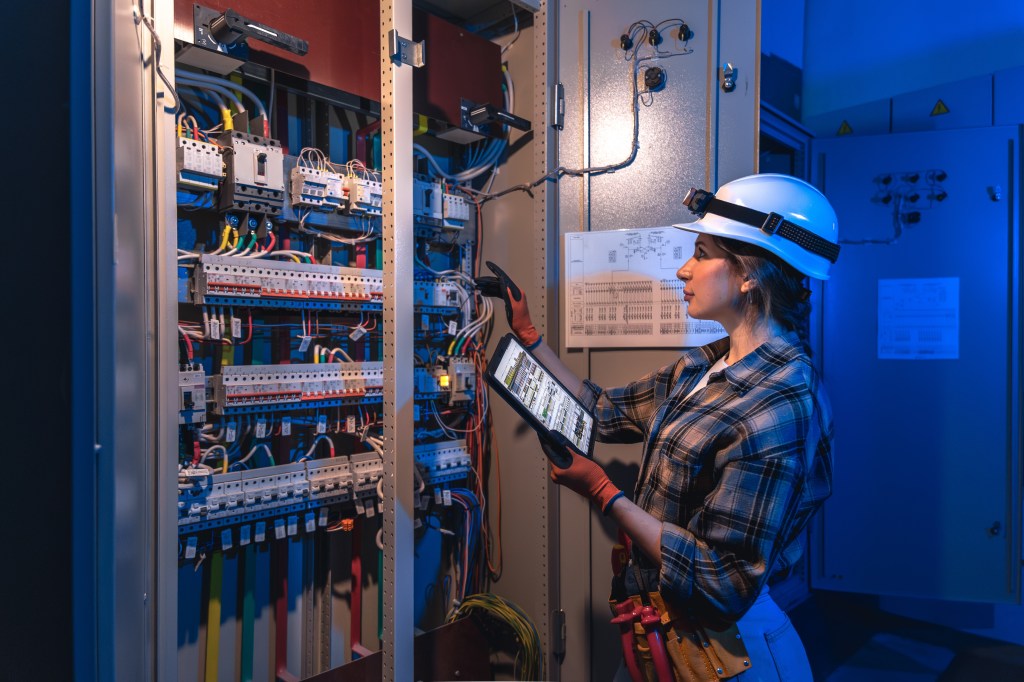
    Why Every Commercial Property Needs Routine Electrical Maintenance

    Electrical systems are essential to the daily operation of nearly every commercial property. From lighting and security equipment to computers, HVAC systems, appliances, and specialized machinery, businesses depend on reliable power to keep their spaces functional and productive. Yet electrical components can deteriorate gradually, making problems difficult to notice until they cause an outage, equipment failure, or safety concern. This is where routine electrical maintenance comes in, providing a proactive way to identify developing issues and keep commercial systems operating safely and efficiently.

    In this blog post, we’ll explore why commercial properties need routine electrical maintenance. Read on!

    Prevent Unexpected Electrical Failures

    Unexpected electrical problems bring business operations to a sudden halt. A faulty connection, overloaded circuit, worn component, or deteriorating wiring may cause equipment to stop working or an entire section of a property to lose power. Routine inspections allow electrical professionals to identify potential problems before they become disruptive failures. Addressing minor issues during scheduled maintenance can help businesses avoid emergency repairs and reduce costly downtime.

    Protect Employees and Property

    Electrical faults create serious safety hazards when they remain unnoticed. Damaged wiring, loose connections, overloaded circuits, and malfunctioning electrical equipment can increase the risk of shocks or electrical fires.

    Regular maintenance helps identify unsafe conditions and provides an opportunity to correct them before they threaten occupants or the building itself. Maintaining electrical systems also supports a safer environment for employees, customers, tenants, and visitors.

    Preserve Electrical Equipment

    Commercial properties often rely on expensive equipment that requires a stable electrical supply. Voltage irregularities, damaged connections, and poorly maintained components can place unnecessary stress on sensitive equipment and contribute to premature failures.

    Routine electrical maintenance ensures that power distribution systems are functioning as intended. By addressing electrical concerns early, property owners help protect valuable equipment and lessen avoidable replacement costs.

    Improve Energy Efficiency

    Electrical maintenance also contributes to more efficient energy use. Aging components, poor connections, outdated equipment, and electrical system deficiencies may cause unnecessary energy consumption.

    During routine service, professionals, such as those from Tulsa Electric, identify areas where electrical performance could be improved and recommend appropriate corrections or upgrades. Better system performance helps commercial properties control operating expenses while supporting more efficient use of electricity.

    Support Regulatory Compliance

    Commercial electrical systems must meet applicable safety requirements and electrical codes. Regular maintenance helps property owners identify conditions that may fall short of current standards or create compliance concerns. Professional inspections reveal issues that might otherwise be overlooked during everyday operations. Keeping maintenance records also demonstrates that the property owner takes reasonable steps to maintain electrical systems and address identified deficiencies.

    Extend System Service Life

    Electrical infrastructure represents a significant investment, particularly in large commercial buildings with extensive wiring, distribution equipment, lighting systems, and specialized installations. Neglect can accelerate wear and increase the likelihood of premature component failure.

    Routine maintenance helps detect deterioration and allows damaged or aging parts to be addressed before they affect larger portions of the system. This proactive approach extends the useful life of electrical infrastructure and delays unnecessary replacement projects.

    A dependable electrical system supports productivity, comfort, security, and continuity throughout a commercial property. Routine maintenance gives property owners greater visibility into the condition of their electrical infrastructure and helps them address concerns before they become emergencies. Rather than waiting for an outage or hazardous fault to reveal a problem, businesses can use scheduled maintenance to manage electrical systems proactively.

    For commercial property owners and facility managers, routine electrical maintenance is an important part of responsible building management. Consistent inspections and timely repairs improve safety, protect equipment, support efficiency, and reduce operational disruptions. Investing in preventive electrical care today can help maintain a safer and better-performing commercial property over the long term.

  • 5 Tools and Processes That Support Better Organizational Performance

    5 Tools and Processes That Support Better Organizational Performance

    Today, organizations are under constant pressure to adapt, innovate, and deliver results. Success is now defined by how well companies use technology and processes to support collaboration and make informed decisions. And when leaders invest in systems that enhance communication and provide actionable insights, organizations can strengthen their performance and position themselves for long-term growth.

    In this article, we’ll share five tools and processes that boost organizational performance for businesses.

    Enhancing Communication Through Unified Platforms

    Communication is the lifeblood of any organization. Organizations that use unified platforms that combine messaging, video conferencing, and project collaboration, their teams interact and communicate better. These platforms eliminate barriers between departments, allowing employees to share updates and resolve issues in real time. And when these tools are integrated into daily workflows, they reduce misunderstandings and speed up decision-making.

    The result is a workplace where employees feel more connected. Managers gain clearer visibility into projects, and the employees communicate with better cohesion. Having strong communication systems over time fosters a culture of transparency and trust, which is essential for sustained performance.

    Streamlining Data Management With Integrated Systems

    Data is one of the most powerful assets a company can leverage, but without proper management, it can quickly become fragmented and unreliable. Integrated systems provide a centralized approach to collecting and analyzing information. With these in place, decision-makers ensure that employees have access to accurate and consistent data.

    This process reduces duplication and minimizes errors for the organization. For industries where compliance and accountability are critical, integrated data management offers the transparency needed to meet regulatory standards. Beyond that, these systems empower leaders to identify trends and seize opportunities, making data a driver of growth rather than a burden.

    Strengthening Decision-Making With Management Information System Frameworks

    Decision-making is most effective when supported by structured processes and reliable information. A management information system framework provides the foundation in this aspect. By gathering, processing, and presenting data in ways that align with organizational goals, this framework ensures that leaders are working with accurate information. They also provide insights tailored to the specific challenges their business faces. By connecting data to strategic objectives, companies can make decisions that are timely, relevant, and impactful.

    The framework also supports long-term planning by highlighting patterns and trends that might otherwise remain hidden. In this way, leaders have the confidence to act decisively in a dynamic environment.

    Driving Efficiency Through Workflow Automation

    Efficiency is a cornerstone of organizational performance, and workflow automation has become a powerful tool for achieving it. Automation solutions handle repetitive tasks such as approvals and notifications, freeing employees to focus on higher-value work. This reduces the risk of human error while making sure that processes are completed consistently and on schedule.

    Managers benefit from this improved visibility into project progress. On one hand, employees gain more time to engage in creative problem-solving and strategic initiatives. This type of automation also allows organizations to scale operations without adding unnecessary complexity, creating a smoother path to growth and innovation.

    Supporting Long-Term Strategy With Performance Analytics

    Performance analytics tools give organizations the ability to measure progress and celebrate achievements. These tools go beyond simple reporting by offering predictive insights that help leaders anticipate challenges and opportunities.

    By tracking metrics across departments, organizations can ensure alignment with overall strategy and make adjustments when necessary. Performance analytics also foster accountability. Teams are able to see how their contributions impact broader goals, and when used effectively, encourage employees to strive for excellence with the analytics. Leaders, meanwhile, are given the information they need to guide the company toward sustainable success.

    Conclusion

    Organizational performance is shaped by the systems and processes that support daily operations and long-term strategy. By enhancing communication, streamlining data management, strengthening decision-making through frameworks, automating workflows, and leveraging performance analytics, companies can build a foundation for resilience and growth.

    These tools and processes work together to create an informed environment. With these systems, employees are empowered, leaders are informed, the organization is prepared, and the company culture is dynamic to thrive in an ever-changing business landscape.

  • 5 Refrigeration Parts That Extend the Life of Your Commercial Display Cases

    5 Refrigeration Parts That Extend the Life of Your Commercial Display Cases

    Commercial display cases are the backbone of many retail and food businesses. They keep products fresh, attract customers, and ensure compliance with food safety standards. Yet, like any piece of equipment, they rely on well-maintained parts to function efficiently. By focusing on a few key refrigeration components, you can extend the lifespan of your cases, reduce costly breakdowns, and maintain consistent performance.

    In this article, we’ll share key refrigeration parts that keep your commercial display cases in top condition.

    High-Performance Compressors That Maintain Cooling Efficiency

    The compressor is the heart of any refrigeration system. It regulates the flow of refrigerant and ensures that your display case maintains the right temperature. Investing in a high-performance compressor not only improves cooling efficiency but also reduces energy consumption.

    Regular maintenance, such as checking oil levels and monitoring for unusual noises, can prevent early wear. A reliable compressor helps avoid temperature fluctuations that could compromise product quality, making it one of the most critical parts for long-term case performance.

    Durable Evaporator Coils That Prevent Frost Build-Up

    Evaporator coils are responsible for absorbing heat inside the case and keeping products at the desired temperature. Over time, coils can accumulate frost or dirt, which reduces efficiency and forces the system to work harder. Choosing durable coils designed for heavy commercial use ensures better airflow and consistent cooling.

    Cleaning them regularly and replacing worn components prevents frost build-up, which can otherwise shorten the life of your refrigeration system. Well-maintained evaporator coils directly contribute to smoother operation and lower energy costs.

    Reliable Condenser Fans That Improve Air Circulation

    Condenser fans play a vital role in expelling heat from the refrigeration system. Without proper airflow, the condenser can overheat, leading to system failure. High-quality condenser fans are built to withstand continuous operation in demanding environments.

    Replacing worn or noisy fans promptly helps maintain optimal air circulation and prevents overheating. By ensuring that your condenser fans are reliable and efficient, you protect the entire refrigeration system from unnecessary strain and extend its service life.

    Hussmann Case Parts That Ensure Brand-Specific Reliability

    For businesses using Hussmann display cases, sourcing genuine Hussmann case parts is essential. These parts are engineered to fit seamlessly with Hussmann’s designs, ensuring compatibility and performance. Whether it’s door gaskets, shelving components, or fan motors, using brand-specific parts reduces the risk of malfunctions and maintains warranty compliance.

    Hussmann case parts are designed with durability in mind, helping retailers keep their cases running smoothly for years. Investing in authentic replacements rather than generic alternatives is a smart way to protect your equipment and avoid costly downtime.

    Quality Door Gaskets That Preserve Temperature Control

    Door gaskets may seem like a small detail, but they are crucial for maintaining proper temperature inside display cases. Worn or cracked gaskets allow cold air to escape, forcing the compressor to work harder and increasing energy costs. High-quality gaskets provide a tight seal, preserving cooling efficiency and reducing strain on other components.

    Regular inspection and timely replacement of door gaskets can significantly extend the life of your refrigeration system. By keeping cold air where it belongs, you protect both your products and your equipment.

    Conclusion

    Commercial display cases are a major investment, and their longevity depends on the condition of key refrigeration parts. Compressors, evaporator coils, condenser fans, Hussmann case parts, and door gaskets all play vital roles in keeping your cases efficient and reliable.

    By prioritising maintenance and choosing quality replacements, you not only extend the life of your equipment but also ensure consistent performance that supports your business success. A proactive approach to refrigeration care pays off in reduced costs, fewer breakdowns, and fresher products on display.

  • Why Proper Warehouse Storage Is Critical for Inventory Control

    Why Proper Warehouse Storage Is Critical for Inventory Control

    Proper warehouse storage plays a central role in maintaining accurate inventory control. Whether a business handles a small volume of goods or manages a large-scale distribution operation, the way items are stored directly impacts efficiency, accuracy, and overall profitability. Disorganized or poorly planned storage systems can lead to misplaced products, inaccurate counts, and unnecessary delays. On the other hand, a well-structured warehouse creates a foundation for streamlined operations and better decision-making. Understanding why proper warehouse storage matters is essential for any business that depends on inventory management.

    Improving Inventory Accuracy

    Accurate inventory records are vital for meeting customer demands and maintaining smooth operations. Proper warehouse storage, like the ones available at NetMOVE, ensures that every product has a designated place, making it easier to track quantities and locations. When items are stored systematically, employees can quickly locate products and update inventory records without confusion or error.

    In contrast, disorganized storage often leads to misplaced items and incorrect counts. This can result in stock discrepancies, over-ordering, or running out of essential products. By implementing structured storage systems such as labeled shelving, bin locations, and organized layouts, businesses can significantly improve inventory accuracy and lessen costly mistakes.

    Reducing Product Loss and Damage

    Warehouse storage is not just about organization; it also plays a key role in protecting inventory. Proper storage methods ensure that goods are handled and placed in ways that minimize the risk of damage. For example, fragile items can be stored in secure areas, while heavy goods are placed on appropriate shelving to prevent accidents.

    Poor storage practices, on the other hand, can lead to damaged products, spoilage, or even theft. Items that are stacked incorrectly or stored in unsuitable conditions are more likely to become unsellable. By prioritizing proper warehouse storage, businesses can safeguard their inventory, reduce losses, and maintain product quality from storage to delivery.

    Enhancing Operational Efficiency

    Efficiency is a major factor in successful inventory control, and proper warehouse storage directly contributes to smoother workflows. When items are stored logically and consistently, employees can pick, pack, and move products more quickly. This reduces the time spent searching for items and minimizes delays in order fulfillment.

    An organized warehouse layout also supports better use of space and resources. Clear pathways, designated zones, and optimized storage systems help streamline daily operations. As a result, businesses can handle higher volumes of orders with less effort, improving productivity and customer satisfaction at the same time.

    Supporting Better Inventory Tracking Systems

    Modern inventory management often relies on digital tracking systems, such as barcode scanning or warehouse management software. However, these systems are only as effective as the physical storage structure supporting them. Proper warehouse storage ensures that digital records align with actual product locations.

    When storage is inconsistent or cluttered, even the best tracking systems can become unreliable. Employees may struggle to find items that are incorrectly stored, leading to delays and inaccuracies. By maintaining organized storage practices, businesses can maximize the effectiveness of their inventory tracking systems and ensure real-time visibility into stock levels.

    Facilitating Faster Order Fulfillment

    Timely order fulfillment is essential for maintaining customer satisfaction and staying competitive. Proper warehouse storage makes it easier to retrieve items quickly and accurately, reducing the time it takes to process orders. Clearly labeled sections and logical product placement allow workers to move efficiently through the warehouse.

    Delays caused by disorganized storage can lead to missed deadlines and unhappy customers. In fast-paced industries, even small inefficiencies can have a significant impact. By investing in proper storage solutions, businesses can speed up order processing and create a more reliable fulfillment process.

    Proper warehouse storage is more than just a matter of organization; it is a fundamental component of effective inventory control. From improving accuracy and efficiency to reducing losses and enhancing safety, the benefits are far-reaching. Businesses that invest in structured storage systems position themselves for smoother operations, better customer service, and long-term success.

  • 5 Investments for Your Commercial Facility’s Safety and Efficiency

    5 Investments for Your Commercial Facility’s Safety and Efficiency

    Running a commercial facility means balancing safety, efficiency, and long-term sustainability. The right investments not only protect your property and people but also reduce costs and improve operations. By focusing on key areas, you can create a safer environment, improve tenant satisfaction, and strengthen your facility’s reputation.

    In this article, we’ll share five smart investments that can make a lasting difference for your business’s safety and efficiency.

    Upgrading Fire Safety Systems

    Fire safety is one of the most critical aspects of facility management. Modern fire detection and suppression systems go beyond basic alarms. They integrate with building automation, provide real-time alerts, and allow faster response times. Investing in advanced sprinklers, smoke detectors, and monitoring systems ensures compliance with regulations and protects both employees and assets.

    These upgrades also reduce downtime in case of emergencies, keeping your facility operational and secure. Beyond compliance, fire safety investments demonstrate a commitment to protecting lives and property. Tenants and employees feel more confident knowing that the facility is equipped with reliable systems.

    In addition, modern fire safety technology often comes with predictive maintenance features, which help identify potential issues before they become emergencies. This proactive approach saves money in the long run and strengthens the resilience of your building.

    Enhancing Facility Maintenance Emergency

    Unexpected breakdowns can disrupt operations and create safety hazards. That’s why facility maintenance emergency services are essential. Partnering with providers who offer 24/7 response ensures that issues like electrical failures or malfunctions are handled quickly.

    This investment minimizes costly downtime and prevents small problems from escalating into major repairs. A reliable emergency maintenance plan also reassures tenants and employees that the facility is prepared for any situation. When emergencies are addressed promptly, productivity is preserved, and safety risks are reduced.

    Over time, this proactive strategy saves money and strengthens the overall resilience of your building. It also builds trust with tenants, who value knowing that their workplace is supported by dependable maintenance services. By investing in dependable emergency maintenance services, you ensure that your facility remains safe, efficient, and prepared to handle challenges without compromising daily operations.

    Investing in Energy-Efficient Lighting and HVAC Systems

    Energy efficiency is no longer optional—it’s a necessity for modern facilities. Upgrading to LED lighting and smart HVAC systems reduces utility costs while improving comfort and safety. LED lights last longer, require less maintenance, and provide better illumination for workspaces and common areas.

    Smart HVAC systems adjust automatically to occupancy and weather conditions, ensuring optimal performance without wasting energy. These investments not only lower operating expenses but also support sustainability goals, which can enhance your facility’s reputation and appeal to eco-conscious tenants.

    Energy-efficient systems also contribute to healthier indoor environments by improving air quality and reducing heat fluctuations. Over time, the savings from reduced energy consumption can be reinvested into other areas of facility improvement, creating a cycle of growth and efficiency.

    Strengthening Security Services

    Security is a cornerstone of facility management. Modern solutions go beyond cameras and locks. Comprehensive security services, like those offered by OneService Commercial Building Service & Security, provide integrated systems that combine surveillance, access control, and on-site personnel.

    These services protect against theft, vandalism, and unauthorized access while creating a safer environment for everyone. Investing in advanced security measures also reduces liability risks and builds trust with tenants. A secure facility is more attractive to businesses and clients, making this investment a driver of long-term success.

    In addition, modern security systems often integrate with smart building technology, allowing managers to monitor activity in real time and respond quickly to potential threats. This level of preparedness ensures that your facility remains a safe and reliable place to work and visit. Ultimately, prioritizing robust security services ensures peace of mind, protects your assets, and positions your facility as a trusted and dependable place for businesses to thrive.

    Implementing Smart Building Technology

    Smart building technology ties all these investments together. From automated lighting and HVAC controls to predictive maintenance and digital security monitoring, smart systems improve efficiency and reduce human error.

    They provide valuable data insights that help managers make informed decisions about energy use, safety protocols, and maintenance schedules. Over time, these technologies lower costs, extend equipment life, and enhance the overall experience for tenants and employees.

    Smart systems also allow facilities to adapt quickly to changing needs, whether that means scaling operations, improving sustainability, or enhancing safety measures. A facility that embraces smart technology demonstrates innovation and readiness for the future, making it more competitive in the marketplace.

    Conclusion

    Investing in safety and efficiency is not just about compliance—it’s about creating a thriving environment where people feel secure and operations run smoothly. By prioritizing these areas, you set your commercial property up for long-term success, reduced costs, and increased tenant satisfaction. With these investments, your facility becomes more than just a building—it becomes a safe, efficient, and future-ready space that supports growth and inspires confidence.

  • 5 Ways Cleanroom Certification Enhances Product Quality and Compliance

    5 Ways Cleanroom Certification Enhances Product Quality and Compliance

    Cleanroom environments are vital in industries where precision and safety cannot be compromised. From pharmaceuticals to aerospace, companies depend on controlled spaces to minimize contamination and ensure consistent results. Achieving cleanroom certification is more than a regulatory requirement—it is a strategic advantage that strengthens product quality, compliance, and customer trust.

    Here, we’ll share the benefits of a cleanroom certification for product quality and compliance.

    Strengthening Contamination Control

    One of the most important benefits of cleanroom certification is its ability to reduce contamination risks. Certified cleanrooms follow strict standards for air filtration, humidity, and particle control. These measures ensure that sensitive products, such as medical devices or microchips, are manufactured in environments free from harmful particles.

    By maintaining these conditions, companies can prevent costly defects, protect consumer safety, and deliver products that meet the highest quality expectations. This level of control is especially critical in industries where even the smallest contamination can compromise performance or safety. Over time, consistent contamination control also reduces waste and improves efficiency, making certification a practical investment in both quality and cost savings.

    Meeting Regulatory Standards with Confidence

    Industries like pharmaceuticals, biotechnology, and healthcare face rigorous regulatory requirements. Cleanroom certification provides documented proof that facilities meet established standards such as ISO classifications or FDA guidelines. This certification not only helps companies pass audits smoothly but also demonstrates a proactive commitment to compliance.

    When regulators see that a facility is certified, it builds confidence in the company’s processes and reduces the risk of penalties or delays in product approvals. In a competitive market, being able to show cleanroom certification can also speed up partnerships and product launches, giving companies a clear advantage. Compliance is not just about avoiding fines—it is about building credibility and showing stakeholders that quality is embedded in every step of production.

    Enhancing Product Reliability and Consistency

    Consistency is key in manufacturing, and cleanroom certification ensures that every batch of products is produced under the same controlled conditions. This reduces variability and strengthens reliability, which is especially critical in industries where even minor deviations can compromise performance. For example, in semiconductor manufacturing, consistent cleanroom conditions directly impact the efficiency and durability of chips.

    Certification guarantees that customers receive products that perform as expected, every time. Over time, this consistency builds a reputation for reliability, which is essential for long-term success. Reliable production also reduces recalls and customer complaints, helping companies save resources while maintaining strong relationships with clients.

    Building Customer Trust and Market Reputation

    Customers and partners increasingly look for proof of quality when choosing suppliers. Cleanroom certification serves as a visible assurance that a company prioritizes safety and precision. It signals professionalism and reliability, helping businesses stand out in competitive markets. For clients in sectors like healthcare or aerospace, certification can be the deciding factor when selecting a supplier.

    By showcasing compliance and quality control, companies strengthen their reputation and foster long-term trust. This trust not only supports customer loyalty but also opens doors to new opportunities and collaborations. In industries where reputation is everything, certification becomes a powerful marketing tool that reinforces credibility and sets a company apart from competitors.

    Supporting Innovation and Future Growth

    Innovation thrives in environments where risks are minimized. Cleanroom certification provides the foundation for research and development by ensuring that experiments and prototypes are conducted in stable, controlled conditions. This allows companies to explore new technologies, scale production, and enter new markets with confidence. Certification also supports global expansion, as many international clients require proof of compliance before forming partnerships.

    In this way, cleanroom certification not only protects current operations but also opens doors to future opportunities, making it a cornerstone of sustainable growth. Companies that invest in certification position themselves as forward-thinking leaders, ready to adapt to evolving industry demands and technological advancements.

    Conclusion

    Cleanroom certification is more than a technical requirement—it is a strategic investment in quality, compliance, and growth. By controlling contamination, meeting regulations, ensuring consistency, building trust, and supporting innovation, certification helps companies deliver products that meet the highest standards. In industries where precision matters, cleanroom certification is a powerful tool for success.

  • Key Preventive Maintenance Services Every Commercial Property Owner Should Prioritize

    Key Preventive Maintenance Services Every Commercial Property Owner Should Prioritize

    Owning or managing a commercial property comes with the responsibility of protecting a valuable asset while ensuring the safety, comfort, and productivity of its occupants. Preventive maintenance plays a critical role in avoiding unexpected breakdowns, costly repairs, and regulatory issues. Rather than reacting to problems after they disrupt operations, proactive service planning helps extend system lifespans, reduce downtime, and maintain compliance.

    In this blog post, we’ll explore key preventive maintenance services for commercial property owners seeking long-term reliability and cost control. Read on!

    Maintaining HVAC Systems

    Heating, ventilation, and air conditioning systems are among the most heavily used components in any commercial building. Regular HVAC maintenance ensures consistent indoor comfort while preventing energy waste and system failure. Routine inspections, filter replacements, coil cleaning, and performance testing allow technicians to identify worn components before they lead to breakdowns.

    Well-maintained HVAC systems also improve indoor air quality, which can positively affect tenant satisfaction, employee productivity, and overall health. From office buildings to retail spaces and industrial facilities, prioritizing HVAC maintenance protects both equipment investments and occupant well-being.

    Inspecting Electrical Systems

    Electrical systems power every aspect of a commercial property, from lighting and security to data infrastructure and machinery. Preventive electrical inspections help identify loose connections, overloaded circuits, outdated panels, and potential fire hazards. By addressing these issues early, property owners reduce the risk of power outages, equipment damage, and safety violations.

    Regular testing and maintenance also ensure compliance with local codes and insurance requirements. In facilities that operate continuously or house sensitive equipment, proactive electrical maintenance is essential for uninterrupted operations.

    Monitoring Plumbing Infrastructure

    Commercial plumbing systems experience far greater demand than residential systems, making them more susceptible to wear and failure. Preventive plumbing maintenance includes checking for leaks, corrosion, pressure irregularities, and drainage issues throughout the building.

    Early detection of plumbing problems prevents water damage, mold growth, and disruptions to daily business activities. Consistent monitoring also helps control water usage and utility costs, contributing to more sustainable property management. A well-maintained plumbing system supports hygiene, safety, and operational efficiency.

    Performing Sewer Line Camera Inspection

    Sewer line camera inspection is a highly effective preventive service that allows property owners to assess underground pipes without invasive excavation. Using specialized cameras, technicians can identify blockages, cracks, root intrusion, corrosion, and misaligned pipes before they cause backups or system failures. This service is especially important for older commercial properties or buildings with high wastewater usage.

    By investing in sewer line camera inspection services, such as those offered at Bass Reddy Rooter, property owners gain clear insight into the condition of their sewer infrastructure, allowing for targeted repairs rather than emergency responses. Proactive inspections help avoid costly downtime, tenant complaints, and potential health hazards associated with sewer line failures.

    Servicing Roofing and Drainage Systems

    Roofing systems protect commercial properties from weather-related damage, yet they are often overlooked until leaks appear. Preventive roof maintenance includes inspections for membrane damage, flashing deterioration, ponding water, and clogged drains. Addressing minor issues early prevents structural damage, interior water intrusion, and insulation loss.

    Proper drainage maintenance also lessens the risk of roof collapse during heavy rainfall. Regular servicing helps extend roof lifespan and preserves the building envelope, making it a cost-effective priority for property owners.

    Managing Commercial Wastewater Treatment

    Commercial wastewater treatment is a critical maintenance priority for properties that generate significant wastewater, including restaurants, manufacturing facilities, healthcare buildings, and multi-tenant complexes. Proper treatment ensures that wastewater meets environmental regulations before being discharged into municipal systems or the environment. Routine system maintenance prevents clogs, overflows, and equipment malfunctions that could result in fines or operational shutdowns.

    By maintaining commercial wastewater treatment systems, property owners protect public health, support environmental responsibility, and maintain compliance with local and federal standards. This proactive approach also extends the lifespan of treatment equipment and reduces long-term operational costs. Reaching out to experienced commercial wastewater treatment professionals, like those from Blue Earth Products, can further ensure system efficiency, regulatory compliance, and long-term operational reliability.

    Preserving Fire Protection Systems

    Fire protection systems are essential for occupant safety and regulatory compliance. Preventive maintenance includes inspecting sprinklers, alarms, extinguishers, emergency lighting, and fire suppression systems. Regular testing ensures these systems function properly during emergencies and meet inspection requirements set by authorities having jurisdiction.

    Maintaining fire protection systems not only reduces liability but also provides peace of mind for tenants and employees. Consistent servicing demonstrates a commitment to safety while minimizing the risk of catastrophic property loss.

    Preventive maintenance is most effective when services are coordinated through a structured planning approach. Scheduling routine inspections, maintaining service records, and working with qualified professionals allow property owners to anticipate needs rather than react to crises. By prioritizing essential services such as HVAC maintenance, sewer line camera inspection, and commercial wastewater treatment, commercial property owners create a safer, more efficient, and more resilient environment.

    Moreover, proactive maintenance not only protects physical assets but also supports long-term financial stability and tenant satisfaction. Investing in preventive maintenance is not an expense; it is a strategic decision that safeguards operations, boosts property value, and ensures reliability for years to come.

  • 5 Perimeter Protection Options for Modern Commercial Spaces

    5 Perimeter Protection Options for Modern Commercial Spaces

    Securing a commercial property today requires more than just locks and cameras. Business owners and property managers face evolving risks, from break-ins to severe weather events. The right perimeter protection not only safeguards assets but also reassures employees and customers. Modern solutions combine durability, technology, and design to create safer environments without sacrificing aesthetics.

    In this article, we’ll share five effective options that can help strengthen the boundaries of your commercial space.

    Advanced Access Control Systems

    Access control systems are the first line of defense for many commercial properties. These systems regulate who can enter and exit, ensuring only authorized individuals gain access. Modern solutions go beyond traditional keycards. Biometric scanners, mobile credentials, and cloud-based platforms allow managers to monitor and adjust permissions in real time. This flexibility is especially useful for businesses with multiple tenants or high employee turnover.

    An advanced access control system also integrates seamlessly with other security measures. For example, pairing it with surveillance cameras provides a complete record of entry activity. This not only deters unauthorized access but also creates accountability. Business owners benefit from the peace of mind that comes with knowing their property is protected by technology designed to adapt to changing needs.

    Another advantage is scalability. As businesses grow, access control systems can expand without requiring a complete overhaul. This makes them a cost-effective solution for entrepreneurs who want to future-proof their security investments.

    Commercial Security Fencing

    Strong physical barriers remain essential for perimeter protection. Commercial security fencing, like those offered by Hurricane Fence Inc., offer a reliable way to deter intruders while defining property boundaries. Unlike standard fencing, these solutions are designed with reinforced materials and anti-climb features. They can be customized to match the property’s layout and aesthetic, ensuring that security does not compromise appearance.

    For large commercial spaces, fencing also helps control traffic flow. It directs visitors to designated entry points, reducing the risk of unauthorized access. When combined with gates and surveillance systems, fencing becomes part of a layered security strategy. Commercial property managers often find that investing in commercial security fencing reduces long-term risks and enhances overall safety.

    In addition, fencing can serve as a visual deterrent. Potential intruders are less likely to target a property that clearly demonstrates strong perimeter defenses. This makes fencing not only a physical barrier but also a psychological one.

    Hurricane-Rated Commercial Doors

    Weather events pose significant threats to commercial properties, especially in regions prone to hurricanes and strong storms. Hurricane-rated commercial doors are engineered to withstand extreme wind pressures and flying debris. These doors protect not only the building’s structure but also the people and assets inside. For businesses located in coastal areas, they are a critical investment.

    Beyond safety, these doors also contribute to energy efficiency and insurance compliance. Many insurers require hurricane-rated installations for coverage in high-risk zones. By choosing hurricane-rated commercial doors, business owners demonstrate proactive risk management. They also ensure that their property remains operational even after severe weather, minimizing downtime and financial loss.

    Another benefit is durability. These doors are built to last, reducing maintenance costs over time. For entrepreneurs, this means fewer disruptions and more consistent protection. In competitive industries, being able to reopen quickly after a storm can make all the difference.

    Integrated Surveillance Systems

    Surveillance technology has advanced rapidly, making it a cornerstone of perimeter protection. Modern systems use high-definition cameras, motion detection, and remote monitoring to provide comprehensive coverage. Property managers can view live feeds from mobile devices, ensuring they remain informed even when off-site.

    Integrated surveillance systems also support analytics. Features like facial recognition, license plate tracking, and heat mapping allow businesses to identify patterns and potential threats. This proactive approach helps prevent incidents before they escalate. For entrepreneurs, investing in surveillance is not just about security—it is about gaining insights that improve operations and customer safety.

    Surveillance also strengthens legal protection. Recorded footage can serve as evidence in disputes or investigations, protecting businesses from liability. This makes surveillance systems a valuable tool not only for prevention but also for resolution.

    Smart Lighting Solutions

    Lighting plays a surprisingly powerful role in perimeter protection. Well-lit areas discourage trespassing and make surveillance footage clearer. Smart lighting solutions take this further by offering motion-activated responses and programmable schedules. They can be integrated with access control and surveillance systems, creating a coordinated defense strategy.

    For commercial properties, smart lighting also enhances the customer experience. A well-lit exterior conveys professionalism and safety, encouraging visitors to feel welcome. Business owners benefit from reduced liability risks and improved property value. By adopting smart lighting, entrepreneurs show that they prioritize both security and aesthetics.

    Smart lighting can also reduce energy costs. LED fixtures and automated controls ensure that lights are used efficiently, lowering utility bills while maintaining security. This combination of safety and sustainability makes smart lighting an attractive option for modern businesses.

    Conclusion

    Modern commercial spaces require perimeter protection that balances strength, technology, and design. From advanced access control systems to hurricane-rated commercial doors, each solution addresses a unique risk while contributing to overall safety.

    Commercial security fencing, integrated surveillance, and smart lighting further reinforce boundaries and create a secure environment for employees and customers. By investing in these options, business owners and property managers not only protect their assets but also build trust and resilience for the future.

  • Exploring Budgeting Management Software Market Trends in 2025

    Exploring Budgeting Management Software Market Trends in 2025

    What if the right budgeting management software could turn chaotic financial planning into a streamlined, transparent process? In the fast-evolving budgeting management software market, innovations are not just tools—they are game-changers for governments and businesses alike. 

    As we step into 2025, recent accolades and case studies reveal how these solutions are addressing fiscal pressures with precision and impact. According to Next Move Strategy Consulting, the global Budgeting Management Software Market is projected to grow from its current size to USD 8.53 billion by 2025. Looking further ahead, the market is expected to more than double, reaching USD 16.28 billion by 2030, driven by a strong compound annual growth rate (CAGR) of 13.8% from 2025 to 2030.

    Why Did Euna Budget Secure Gold at the 2025 Globee Awards for Impact?

    Imagine a software that does more than crunch numbers—it aligns budgets with community needs and builds public trust. That is exactly what Euna Solutions achieved with Euna Budget, earning the Gold award for “Best of Category” in Budgeting and Forecasting Software at the 2025 Globee Awards for Impact. This recognition highlights a solution purpose-built for government agencies, transforming how they plan, allocate, and manage public funds.

    Euna Budget stands out in the budgeting management software market by offering full-cycle capabilities. It streamlines budgeting processes while integrating strategic alignment and community engagement features. For instance, the software includes tools like Budget Book Studio for creating accessible reports and AI-driven insights for accurate forecasting. These elements help agencies manage over $538 billion in public funds across nearly 1,000 organizations. 

    Mykola Konrad, Chief Product Officer at Euna Solutions, emphasizes this real-world value: “Public finance leaders deserve modern tools that make budgeting faster, smarter, and more collaborative.”

    What sets this apart? In an era of fiscal uncertainty, Euna Budget fosters transparency and resilience. It supports over 3,400 public sector organizations across North America, enhancing efficiency and compliance in areas like procurement and grants management. The Globee Awards, judged by industry experts, celebrate such innovations that align purpose with performance, as noted by President San Madan: “These winners are redefining what success looks like by aligning purpose with performance.”

    Key Features Driving Euna Budget’s Success

    • Strategic Budgeting Tools: Aligns financial plans with long-term goals and community input.
    • Operating and Personnel Management: Tracks expenses in real time for better resource allocation.
    • Integrations for Engagement: Connects with platforms to involve stakeholders, boosting trust.

    This award underscores a shift toward user-centric personal finance software. Euna Budget’s win signals that solutions emphasizing collaboration and data-driven decisions are gaining traction, particularly in public finance where transparency is paramount.

    How Are Leading Companies Unlocking Hidden Savings Through Budgeting Strategies?

    Ever wondered how a simple review of software licenses could free up millions for core business goals? A recent Deloitte case study illustrates this powerfully in the budgeting management software industry. A global life sciences company, dedicated to cancer research, partnered with Deloitte to tackle uncontrolled IT spending—particularly in software assets—after a major restructuring.

    The challenge was clear: Software represented the least controlled part of the IT budget, with tail spend accounting for 80% of transactions yet only 20% of total dollars. This sprawl involved 90% of vendors in low-volume deals, exposing the company to risks in cost, security, and operations. 

    Deloitte’s approach? A six-month assessment using a zero-risk model—no upfront fees, with compensation drawn solely from realized savings. This led to negotiating a $450 million five-year contract and establishing a multi-year managed service for software asset management (SAM). SAM, for clarity, refers to the systematic process of optimizing software licenses to minimize costs and risks. 

    The outcomes were transformative: Savings exceeded expectations by 10 times, redirecting funds to mission-critical initiatives like research. Deloitte’s broader expertise has helped clients avoid over $550 million in software spend and $2.5 billion in liabilities since 2015, with typical engagements yielding 2-10% cost reductions. This case not only delivered positive return on investment but also sparked a cultural shift toward proactive asset management.

    AspectChallengeDeloitte SolutionOutcome
    Tail Spend80% of transactions, 20% of dollarsLicense assessment & negotiation10x expected savings on $450M contract
    Vendor Management90% in low-volume dealsMulti-year SAM serviceReduced risks in security & operations
    Overall EfficiencySoftware sprawl post-restructuringZero-risk modelFunds self-sustaining team; 2–10% cost savings

    These results demonstrate how integrating budgeting management software with strategic oversight can unlock efficiencies across sectors.

    What Impact Do These Developments Have on the Budgeting Management Software Market?

    As a market research firm at Next Move Strategy Consulting, we see these stories as pivotal signals for the budgeting management software market. The 2025 Globee Award for Euna Budget elevates demand for cloud-based, AI-enhanced solutions tailored to public sector needs, where transparency and community alignment are non-negotiable. 

    This accolade, combined with Deloitte’s proven SAM strategies, indicates a convergence: Tools that not only forecast but also optimize assets in real time are poised to capture a larger share. In our analysis, such integrations could drive market growth through 2030, as organizations prioritize resilience amid economic volatility. 

    What adds value here? By blending public and private sector insights, budgeting management software evolves from reactive trackers to proactive advisors, reducing manual errors by up to 30% and enhancing decision-making agility. These developments foster a more equitable market, where smaller agencies access enterprise-grade features without prohibitive costs.

    This synthesis is not mere news—it is a call to action. Euna’s win inspires innovation in forecasting accuracy, while Deloitte’s model underscores the ROI of asset optimization. Together, they reinforce that budgeting management software is essential for navigating 2025’s fiscal landscapes, from government mandates to corporate reinvestments.

    Next Steps: How Can You Leverage Budgeting Management Software Today?

    Ready to apply these trends? Here are actionable takeaways to elevate your budgeting game:

    1. Assess Your Tail Spend: Conduct a quick audit of software licenses using SAM principles—aim for immediate savings, as seen in Deloitte’s engagements.
    2. Prioritize Transparency Features: Explore tools like Euna Budget for community-aligned budgeting to build stakeholder trust in public or hybrid environments.
    3. Integrate AI for Forecasting: Test AI-driven insights to enhance accuracy, reducing fiscal risks in line with 2025 award-winning standards.
    4. Partner for Zero-Risk Pilots: Negotiate trials with vendors, mirroring Deloitte’s model, to validate ROI before full commitment.
    5. Track Market Awards: Monitor recognitions like the Globee Awards to stay ahead of emerging leaders in budgeting management software.

    By implementing these, you position your organization for efficiency and growth. What question will you tackle next in your budgeting strategy?

    About the Author

    Sneha Chakraborty is a passionate SEO Executive and Content Writer with over 4 years of experience in digital marketing and content strategy. She excels in creating optimized, engaging content that enhances online visibility and audience engagement. Skilled in keyword research, analytics, and SEO tools, Sneha blends creativity with data-driven insights to deliver impactful results. Beyond her professional work, she enjoys reading, sketching, and nature photography, drawing inspiration from creativity and storytelling. The author could be reached out at info@nextmsc.com.

Design a site like this with WordPress.com
Get started